Customer Service That Actually Retains Customers
Small businesses compete on service because they cannot compete on price. What that means in practice is narrower than most advice suggests.


Retaining a customer costs far less than winning one, which makes service a commercial decision rather than a nicety. It is also where small businesses have a genuine advantage over larger competitors, and it supports marketing on a limited budget more effectively than most paid activity.
Responsiveness Beats Almost Everything
The most common complaint about small businesses is not poor work — it is not answering. Replying within a day, even to say you will look into it, puts you ahead of a large proportion of competitors. This costs nothing and is the single highest-return habit available.
Set Expectations Rather Than Exceeding Them

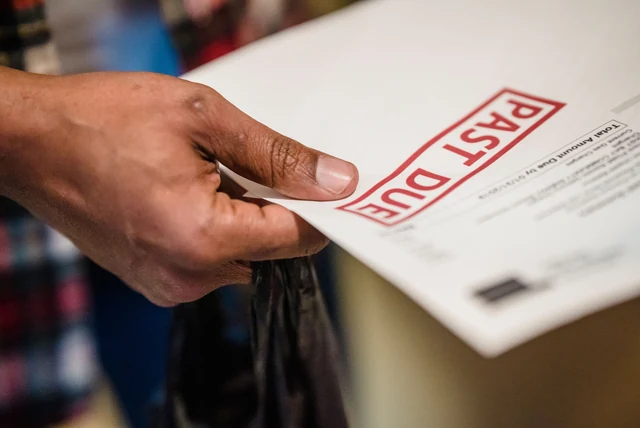
Image source: pexels.com
Telling someone a job will take two weeks and finishing in ten days produces a happy customer. Saying one week and taking ten days produces an unhappy one for identical work. Most dissatisfaction is a gap between expectation and outcome rather than a problem with the outcome itself.
Communicate Before They Have to Chase
A short update when something is delayed, sent before the customer notices, converts a complaint into a non-event. Silence is what turns a delay into a grievance, because the customer fills the gap with the worst explanation available.
Handle Complaints Quickly and Without Defensiveness
Acknowledge, establish the facts, say what you will do, and do it. Customers who complain and are dealt with well frequently become more loyal than those who never had a problem. Arguing about who was right, even when you are, rarely improves the outcome.
Know When to Refund
Sometimes the cheapest resolution is a refund and a polite ending. Protracted disputes cost time worth more than the sum involved, and they generate reviews. Decide in advance the threshold below which you simply resolve it.
Ask for Feedback Deliberately
Most unhappy customers say nothing and simply do not return. A short direct question — was everything as you expected — surfaces problems while they are still fixable. It also produces the reviews that bring the next customers.
Consistency Matters More Than Excellence
A business that is reliably good beats one that is occasionally excellent and sometimes poor. As you take on staff, the challenge shifts from doing good work to making sure it is done the same way by everyone — which is part of what makes growing to a team difficult.
Thank People Who Complain
Someone who tells you about a problem has given you a chance to fix it rather than simply leaving. Saying so, plainly, changes the tone of the conversation and costs nothing at all.
Say What Happens Next
Ending every interaction by stating the next step and when it will happen removes most follow-up chasing. Customers rarely mind waiting; they mind not knowing.
Speed of First Response Matters Most
Studies of enquiry handling consistently find that whoever replies first wins a disproportionate share of the work, largely because customers stop looking once someone engages. For most small businesses, a faster first response is worth more than a better second one.
Fire the Customers Who Cost You Money
A small number of customers consume disproportionate time, pay late and complain regardless. Declining further work politely frees capacity for better ones. This is easier to judge if you know your pricing your product or service and what each relationship actually earns.
Remember the Details
Small businesses can do what large ones cannot: recall a customer’s previous order, their preference, the thing they mentioned last time. Simple notes on a customer record make this possible and it is what people describe when they say a business looks after them.
Do Not Promise What You Cannot Staff
Guaranteeing rapid response or extended availability creates an obligation someone must meet, and failing it is worse than never promising. Promise what you can deliver on your busiest week, not your quietest.
Make It Easy to Reach a Human
Contact forms that disappear into an unmonitored inbox and phone numbers nobody answers are the most common service failure in small businesses. Whatever channels you offer, make sure each is genuinely monitored, and remove any that is not.
Record What You Promised
Confirming in writing what was agreed, when, and at what price prevents most later disagreements. It also means anyone else in the business can pick up the conversation without asking the customer to repeat themselves, which customers find intensely irritating.
Small Gestures Are Remembered Disproportionately

Image source: pexels.com
Following up unprompted after a job, remembering something a customer mentioned, or resolving a small problem without being asked all cost almost nothing and are what customers describe when recommending a business. Large gestures are less effective than consistent small ones.
Train Whoever Speaks to Customers
The person answering the phone shapes the impression more than any marketing. Make sure they know what to say when they do not know the answer, what they can resolve themselves, and when to escalate. Undefined authority produces either paralysis or inconsistency.
Under-Promise on Timing Specifically
Delivery dates are where expectations most commonly break. Quoting a realistic date with margin, rather than the earliest possible one, converts most delays into non-events. Customers remember reliability far longer than they remember speed.
Answer Enquiries Even When You Cannot Help
Telling someone you are fully booked, or that the job is outside what you do, takes a minute and is remembered. Recommending someone who can help is remembered considerably longer, and those people frequently return when the work does fit.
Follow Up After the Job Is Done
A short message a week later asking whether everything is still fine costs nothing, catches problems before they become complaints, and is the most natural moment to ask for a review or a referral.
Measure Repeat Custom
The honest test of service is whether people come back and whether they bring others. Tracking the proportion of revenue from returning customers tells you more than any satisfaction score, and it is a number most small businesses could calculate and never do.
Service Is a Retention Strategy, Not a Slogan
The Difficult Ones Are the Test
Retention is decided by what happens when something goes wrong. Dealing with difficult customers covers holding a boundary without losing the account.
Measure it in whether customers return and refer, not in how it is described on your website. Every business claims to care about service; the ones that do can point to repeat custom.