Marketing a Small Business on a Limited Budget
Who you are for, Google Business Profile, honest reviews, existing customers, one social channel, email within the rules, local partnerships and tracking what works.

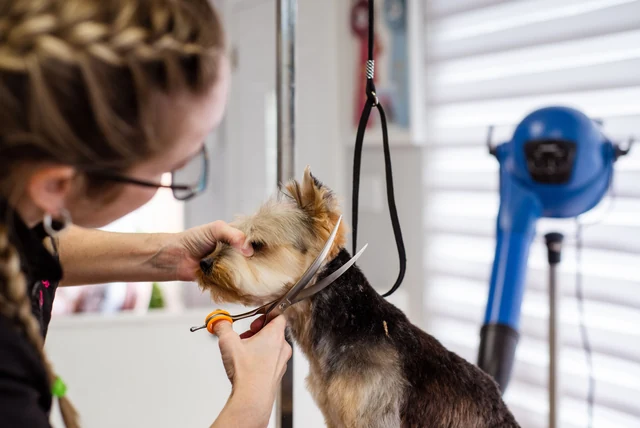
Tasha runs a one-woman dog grooming business from a converted garage in Norwich. In her first year she spent £600 on a half-page advert in a glossy local magazine. It brought one enquiry, from someone who wanted a cat groomed. Her marketing budget is about £150 a month, and she could not afford another mistake like that. Marketing a small business on a budget is not about finding clever tricks. It is about picking a few things that work for your customers, doing them properly and dropping everything else.
| Channel | Cost | Best for |
|---|---|---|
| Google Business Profile | Free | Local customers searching now |
| Reviews | Free | Trust, and ranking in local search |
| Existing customers and referrals | Free or low | Repeat work and recommendations |
| One social channel | Time | Showing your work and personality |
| Low | Bringing customers back | |
| Local partnerships | Low | Reaching the right people through others |
Know exactly who you are for

Image source: pexels.com
A small budget cannot reach everyone, so do not try. Describe your ideal customer in one or two sentences: who they are, where they live, what problem they have and why they would choose you. For Tasha it was busy dog owners within about five miles, often with anxious or older dogs that struggle in large salons. That one sentence told her where to spend money and, just as usefully, where not to. A glossy magazine read across the whole county was never going to work. Knowing your customer also shapes your words and photos. Our guide to understanding your competition helps you work out what makes you different from the business down the road.
Start with your Google Business Profile

Image source: pexels.com
Ofcom’s 2025 Online Nation report found UK adults spend around four and a half hours a day online, mostly on smartphones, and just over half of that time goes on services owned by Google’s parent company or Meta. For local businesses, a free Google Business Profile is usually the single best place to start. Fill in every section: accurate hours, service area, prices or starting prices, real photos and a clear description using the words customers actually search for. With AI summaries now appearing in roughly 30% of searches, clear, consistent information about your business matters more than ever. Link it to a simple, fast website with the same details.
Reviews: ask honestly, never fake
Image source: pexels.com
Reviews are marketing that keeps working while you sleep. The best way to get them is simply to ask: send a short message with a direct link after a good appointment. Tasha asks every customer whose dog left looking happy, and went from 11 to over 90 reviews in a year. Be careful about the rules. Since April 2025, fake reviews, reviews you have paid for without saying so and hiding genuine negative reviews have all been banned, with fines of up to 10% of turnover. Reply to every review, including bad ones, calmly and briefly. Our guide to dealing with difficult customers covers replying to unfair ones.
Existing customers come first

Image source: pexels.com
Winning a new customer usually costs far more than keeping an existing one. Before spending anything on reaching strangers, make it easy for current customers to come back and bring friends. Tasha books the next appointment before each dog leaves, sends a reminder a few days before, and gives a small discount to customers who recommend a friend. Her repeat bookings now fill most of her diary. Great service is the foundation of all of this, as our guide to customer service explains, and our guide to winning work through referrals shows how to turn happy customers into a steady source of new ones.
Pick one social channel and do it properly

Image source: pexels.com
Trying to post everywhere usually means posting badly everywhere. Choose the one platform your customers actually use and commit to it for six months. For Tasha, that was Instagram and local Facebook groups, because dog owners love before-and-after photos. Post regularly, show real work, show your face and answer messages quickly. Good photos in natural light do more than clever captions. If you work with a local influencer or give free services in return for posts, make sure they label it clearly as an advert, such as with #ad; the Advertising Standards Authority and the Competition and Markets Authority both expect this. Judge the channel by enquiries, not likes.
Email: cheap, effective and rule-bound
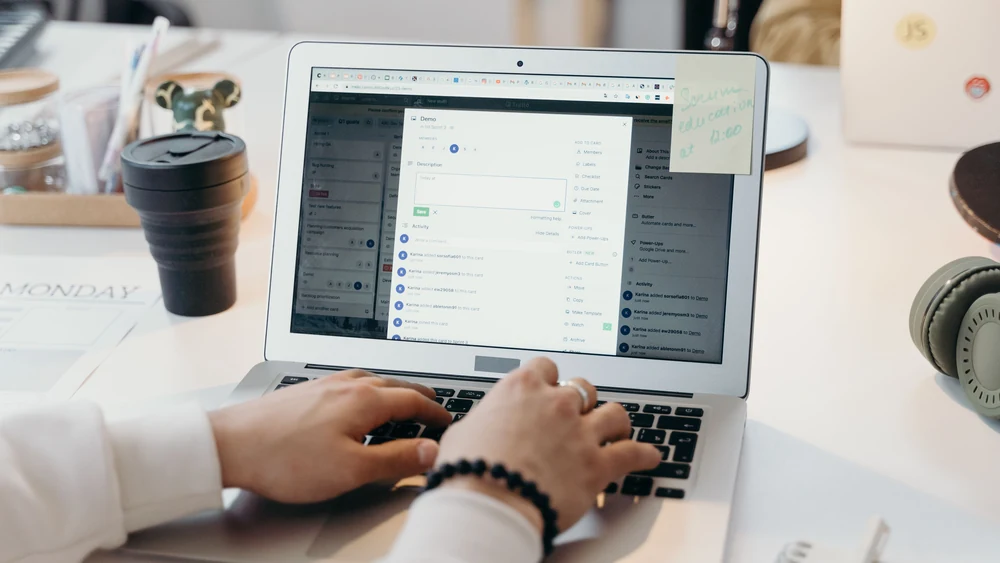
Image source: pexels.com
Email is unglamorous, but it reaches people you already know for almost nothing. A short monthly message with seasonal tips, available slots and a friendly photo can fill quiet weeks. Follow the rules, though. You can usually email existing customers about similar services if you gave them a clear chance to opt out when you collected their details and in every message. For anyone else, you need their consent. Since February 2026 the maximum fine for breaking these rules has risen to £17.5 million, so tick-box shortcuts are not worth it. Our guide to data protection for small businesses explains the details.
Local partnerships beat local adverts
Other businesses already have the attention of your customers. For Tasha that meant a vet practice, a pet shop, two dog walkers and a doggy daycare. She left cards with each, offered their customers a first-visit discount, and recommended them in return. Within three months the vet practice was sending her two or three new customers a week, more than any advert had ever done. Think about who serves your customers just before or just after you do, and offer something useful in return. Local events can work too, but only if your customers are genuinely there.
Track what works, test small

Image source: pexels.com
Ask every new customer how they found you and write it down. After three months you will know which channels bring work and which only bring noise. Test any paid option with a small amount first, a month of local social ads at £50 for example, before committing more. Be very wary of paid directory listings and cold calls promising “page one on Google”. Most bring little, and some lock you into long contracts. Finally, remember that marketing cannot fix a business that is not charging enough. If you are busy but short of money, look at your profit margins and pricing before spending more on attracting customers.
Budget your time as well as your money
For most small businesses, time is the real marketing budget. Without a routine, marketing gets done in a rush when the diary looks empty, which is exactly when it is too late. Set aside a fixed slot each week, even just two hours. Tasha uses Monday mornings: she replies to reviews, schedules three social posts, sends any review requests from the week before and checks where new enquiries came from. Once a month she writes her customer email and visits one partner. Small, steady effort beats occasional bursts, because search rankings, reviews and relationships all build over time. If you are struggling to find even two hours, our guide to time management for business owners may help.
What Tasha changed
Tasha stopped paying for magazine adverts and put her time into her Google profile, reviews, Instagram and four local partners. Her paid spend dropped to under £50 a month, mostly on printing cards and a small test of social ads. A year later she has a waiting list and has raised her prices twice. Marketing a small business on a budget works when you focus on the few customers who matter, show up where they already are, and keep doing it long enough for it to build.
Frequently asked questions
What is the cheapest way to market a small business?
A complete Google Business Profile, honest reviews, looking after existing customers and local partnerships. All cost time rather than money.
Is a Google Business Profile free?
Yes. It is free to set up and manage, and for local businesses it is often the most valuable marketing channel available.
Can I pay for reviews or offer rewards for them?
Fake reviews and undisclosed incentivised reviews have been banned since April 2025. Ask genuine customers and never hide negative reviews.
Can I send marketing emails to my customers?
Usually, if they bought something similar and were given a clear opt-out when you collected their details and in every email.
How many social media channels should a small business use?
Start with one that your customers actually use, and do it well for six months before adding another.
How do I know if my marketing is working?
Ask every new customer how they found you and record it. After a few months you will see which channels bring real work.
This article is general information, not legal or marketing advice. Advertising, review and email marketing rules apply to all businesses. Check the ASA, CMA and ICO guidance for your situation.