Startup Capital Explained (2026): Funding Sources, Costs, and Smart Planning
Learn what startup capital is in 2026, why it matters, how much you need, and the best funding sources for starting a new business.

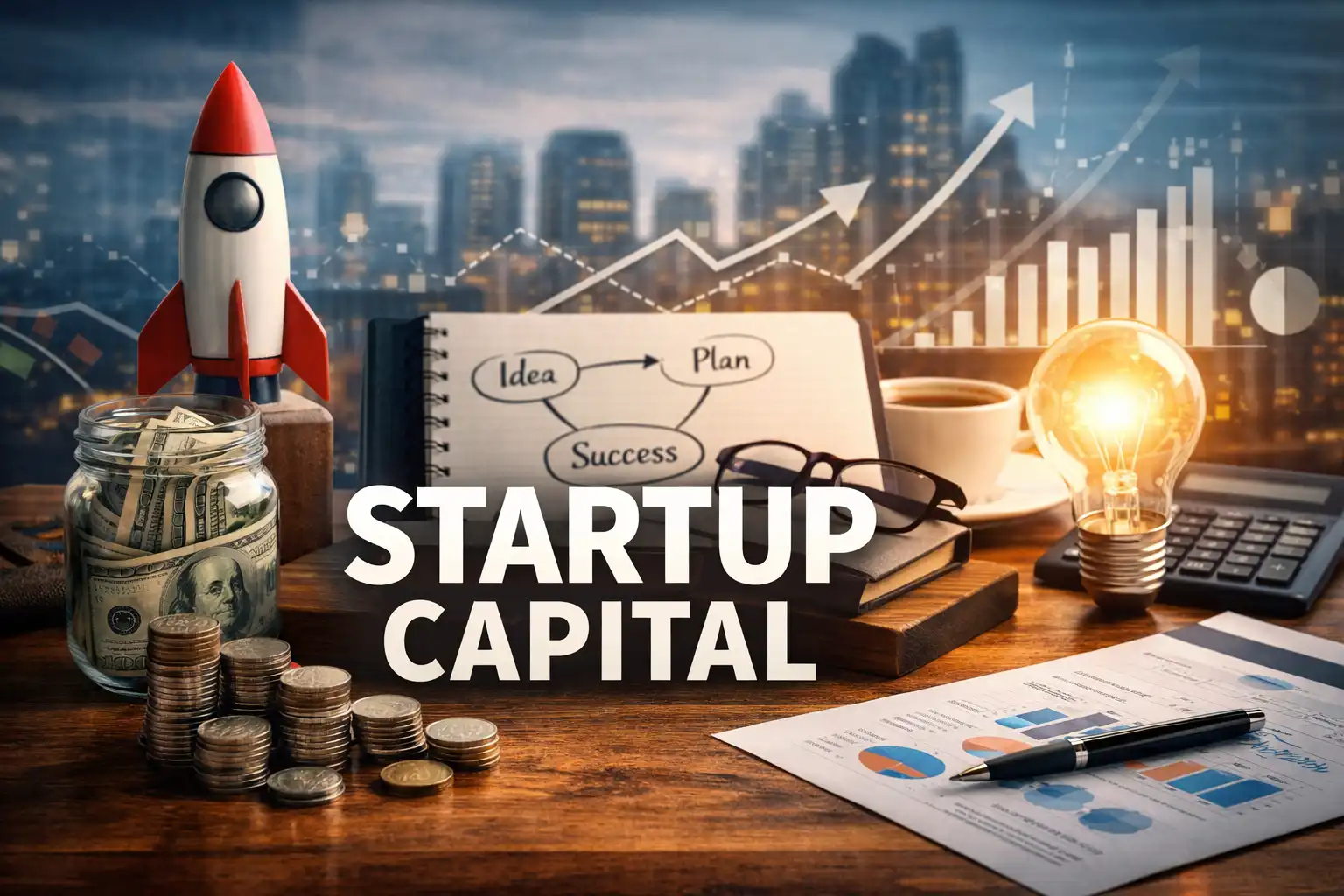
A business may begin with a strong idea, but an idea alone cannot pay bills, build products, or attract customers. Turning a concept into a real company requires money at the very beginning. This early funding is called startup capital.
Startup capital keeps a business alive in its earliest days, when expenses appear fast and revenue takes time to follow. It allows founders to build their first product, set up operations, and reach the people they want to serve. In a market where competition is intense and investors look closely at every decision, understanding how startup capital works has become more important than ever.
What Is Startup Capital?
Startup capital is the initial funding used to launch a business. It covers expenses that appear before the company starts earning regular revenue.
This includes costs such as:
- Legal registration and compliance
- Equipment and technology
- Product development
- Website and branding
- Early marketing and sales efforts
- Initial team expenses
Startup capital is often spent quickly, which is why planning how it will be used is just as important as raising it.
Why Startup Capital Is Critical in the Early Stage

Image source: pexels.com
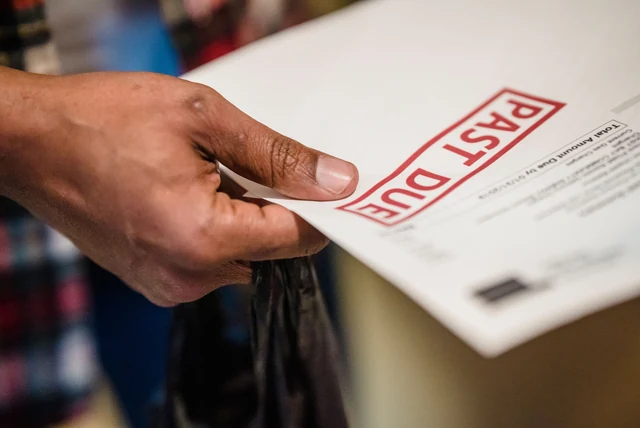
The early stage of a business is the most fragile. Expenses arrive immediately, but revenue usually grows slowly. Many businesses fail not because their idea was weak, but because they ran out of money too early.
Startup capital helps founders:
- Focus on building the business instead of worrying about cash
- Test products or services properly
- Attract early customers
- Make thoughtful decisions instead of rushed ones
In recent years, investors and lenders have become more cautious. They now expect founders to show clear planning, early traction, or proof of demand before providing funds. This makes efficient use of startup capital even more important.
Main Sources of Startup Capital
There is no single way to fund a startup. Most businesses use a mix of different funding sources.
Personal Savings (Bootstrapping)
Many founders start by using their own money. This approach offers full control and flexibility. There is no pressure from investors or lenders.
However, bootstrapping also involves personal financial risk. If the business fails, the loss is carried by the founder alone.
Friends and Family Funding
Some startups raise early capital from people they know personally. This can be easier than dealing with formal institutions.
Clear agreements are important here. Even informal investments should be documented to avoid misunderstandings later.
Bank and Institutional Loans
Loans from financial institutions are a common funding option. These loans usually require:
- Credit checks
- A repayment schedule
- A solid business plan
Loans allow founders to keep ownership, but they also create fixed repayment obligations, regardless of business performance.
Government-Backed Loan and Grant Programs
In many regions, public agencies support small businesses through loan guarantees, grants, or startup programs. These initiatives are designed to encourage innovation, job creation, and economic growth.
Such programs often offer better terms than standard loans, but application processes can be competitive and time-consuming.
Angel Investors
Angel investors are individuals who invest their own money in early-stage businesses. In return, they usually receive equity.
Beyond capital, angels often provide:
- Industry experience
- Strategic advice
- Professional networks
This combination of money and guidance can be valuable for first-time founders.
Venture Capital
Venture capital funding comes from firms that invest in businesses with high growth potential. This type of capital is common in technology, digital services, and scalable product businesses.
While venture capital can provide large amounts of funding, it usually involves giving up part of ownership and some decision-making power. Investors expect strong growth and clear exit opportunities.
Crowdfunding
Crowdfunding allows businesses to raise money from a large number of people through online platforms. It is often used for:
- New product launches
- Creative projects
- Consumer-focused ideas
Crowdfunding also helps test market interest before full production.
How Startup Capital Is Typically Used
Startup capital is usually spent on core needs that allow the business to operate and grow.
Common uses include:
- Business setup and licensing
- Product or service development
- Equipment and tools
- Technology and software
- Marketing and brand building
- Initial salaries or contractor payments
Founders who track spending carefully often extend their financial runway and reduce risk.
How Much Startup Capital Is Needed?
There is no fixed amount of startup capital. The required funding depends on several factors:
- Type of business
- Industry
- Business model
- Scale of operations
- Whether the business is online or physical
Digital and service-based businesses often need less capital. Businesses with inventory, equipment, or physical locations usually need more.
Many founders plan enough startup capital to cover six to twelve months of essential expenses.
Current Trends in Startup Funding

Image source: pexels.com
The startup funding environment has changed in recent years.
Some key trends include:
- Investors focusing more on profitability and sustainability
- Strong interest in technology-driven and data-based businesses
- Greater emphasis on early customer traction
- Increased availability of alternative funding methods
These shifts mean founders must be more prepared, more focused, and more realistic when raising and using startup capital.
Startup Capital vs Working Capital
These two terms are often confused but serve different purposes.
- Startup capital is used to launch the business
- Working capital supports daily operations after launch
A business can start strong but still fail if working capital is not managed properly.
Common Startup Capital Mistakes
Many new founders make avoidable mistakes, such as:
- Underestimating total startup costs
- Spending too quickly on non-essential items
- Ignoring emergency funds
- Relying on only one source of funding
Careful budgeting and conservative planning reduce these risks.
Work Out the Number Before Choosing the Source
How much you need, and for what period, determines which funding routes are even appropriate. A figure derived from a costed plan with a stated runway is also the first thing any lender or investor will test.
Conclusion
Startup capital sits at the core of every successful business. It gives founders the time and financial stability needed to move beyond ideas and build something real. Without it, even the strongest plans struggle to survive.
In a competitive market, understanding startup capital is no longer a choice—it is a requirement. When managed with a clear strategy and careful spending, startup capital does more than cover costs. It creates the space for steady growth, smarter decisions, and long-term success.
Startup Capital – Questions & Answers (FAQ)
Q1. What is startup capital?
Startup capital is the money used to start a new business. It pays for early expenses like registration, product development, marketing, and basic operations before the business earns steady income.
Q2. Why is startup capital important for new businesses?
Startup capital helps a business survive its early stage. It gives founders time to build products, find customers, and improve operations without running out of money too quickly.
Q3. How much startup capital do I need to start a business?
There is no fixed amount. The required capital depends on the business type, industry, and scale. Many founders plan enough startup capital to cover at least six to twelve months of essential expenses.
Q4. What are the main sources of startup capital?
Common sources include personal savings, friends and family, bank loans, government-backed programs, angel investors, venture capital, and crowdfunding platforms.
Q5. Can I start a business without startup capital?
Some businesses can start with very little money, especially online or service-based businesses. However, most businesses still need some startup capital to cover basic setup and operating costs.
Q6. What is the difference between startup capital and working capital?
Startup capital is used to launch the business. Working capital is used after launch to manage daily expenses like rent, salaries, and utilities. Both are important for long-term survival.
Q7. Is startup capital the same as seed funding?
Seed funding is usually the earliest form of startup capital. Startup capital can include seed funding and other early funds used to start and stabilize the business.
Q8. Do startups have to give up ownership to raise capital?
Not always. Loans and personal savings do not require giving up ownership. Equity funding, such as angel or venture capital, usually involves sharing ownership with investors.
Q9. What do investors look for before providing startup capital?
Investors often look for a clear business idea, a realistic plan, early customer interest, and an explanation of how the money will be used to grow the business.
Q10. What are common mistakes founders make with startup capital?
Common mistakes include underestimating costs, spending too quickly, ignoring emergency funds, and relying on only one funding source.
Q11. Can startup capital help attract more investors later?
Yes. Using startup capital wisely can help build traction, show progress, and make the business more attractive to future investors or lenders.
Q12. Is crowdfunding a reliable source of startup capital?
Crowdfunding can be effective, especially for products and creative ideas. It also helps test market demand, but success depends on strong marketing and clear communication.
More Startup Funding Guides
- How to Get Startup Capital in the UK: Practical Funding Strategies for Founders
- Startup Funding Options UK: A Guide for Early Stage Founders
- Types of Startup Funding: A Guide for UK Founders Exploring Capital Options
- Startup Funding Requirements in the UK: What Founders Need Before Raising Capital
- Raising Startup Capital in the UK: How Founders Secure Investment for Growth