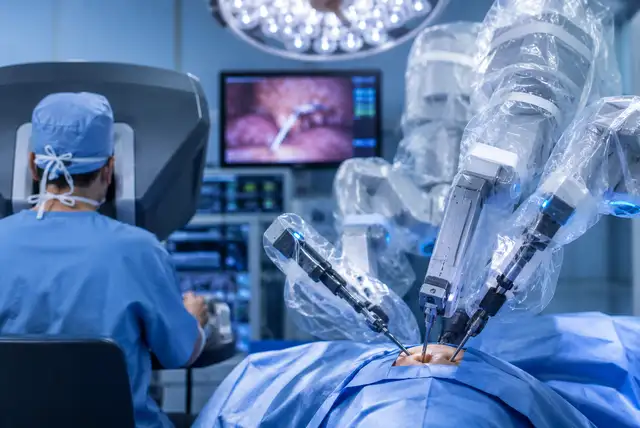
How Medical Technology Is Transforming Modern Surgery in 2026
Discover how medical technology in surgery, AI, robotics, and smart systems are transforming modern surgery in 2026.

Imagine sitting in a hospital waiting room a few years ago. The word “surgery” alone could make people nervous. Families worried about long operations, painful recovery, and weeks away from normal life. Now picture walking into an operating room in 2026. Large digital screens surround doctors. Smart machines process information in seconds. Robotic systems assist surgeons with incredible precision. Artificial intelligence quietly analyzes patient data in the background. It almost feels like stepping into a science fiction movie. But this is not fiction anymore. Medical technology in surgery is changing how doctors perform procedures and how patients experience treatment. Behind every machine and digital system sits a simple goal: helping people heal faster, feel safer, and return home with greater confidence. For readers of The Tech News and healthcare followers across the UK, the future of surgery is no longer arriving someday. It has already entered hospitals today.
The Day Surgery Started Looking Like the Future
Modern technology transforming operating rooms
Image source: pexels.com
Picture a patient quietly waiting outside an operating room. Years ago, surgery often felt like stepping into uncertainty. Patients expected large cuts, difficult recoveries, and long hospital stays. Families prepared for stress while doctors relied mostly on traditional surgical methods. The experience felt serious and sometimes frightening.
Today, that experience is beginning to look very different. Modern surgical technology has transformed operating rooms into connected environments where systems communicate and support doctors throughout procedures. Surgeons now use imaging systems, digital planning tools, and real-time patient data to improve decision-making.
Many healthcare technology trends now focus on using smarter systems to improve safety and precision surgery. Hospitals increasingly see technology not simply as equipment but as support systems designed around patient outcomes.
Rather than feeling like a single event, surgery is becoming a carefully planned journey built around each person’s needs. That shift may be one of the biggest healthcare transformations happening in 2026.
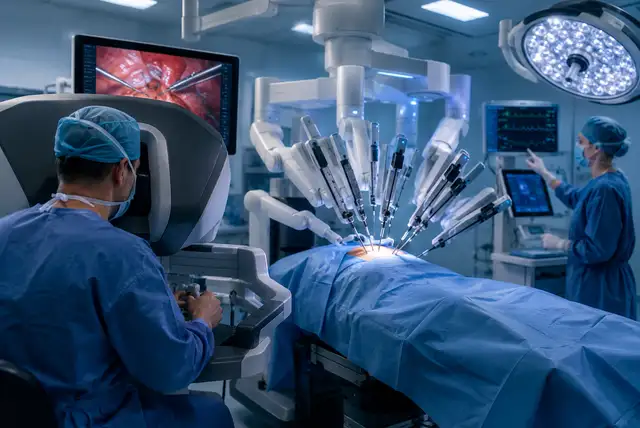
Robotic-Assisted Surgery Is Giving Surgeons Superhuman Precision

Robotic technology assisting modern surgery
Image source: pexels.com
Imagine trying to thread a needle while your hands shake slightly. Even tiny movements matter. Now imagine a surgeon working around delicate nerves and blood vessels where every millimeter can make a difference. This is where robotic-assisted surgery is changing healthcare.
Many people still imagine robots performing operations on their own. In reality, surgeons remain completely in control. Robotic systems simply translate hand movements into smaller, steadier, and more precise actions.
According to Intuitive, surgeons worldwide have completed more than 14 million procedures using da Vinci systems. That number reflects growing trust in modern surgical technology and its role in patient care.
As robotic-assisted procedures continue expanding, many hospitals now rely on systems like da Vinci robotic surgery to support greater precision and visibility during complex procedures.
This level of surgical innovation helps doctors work with high-definition 3D imaging and advanced movement control. Precision surgery continues becoming one of the strongest drivers behind modern operating rooms.
Minimally Invasive Surgery Is Changing Patient Experiences

Advanced equipment supporting minimally invasive procedures
Image source: pexels.com
Not long ago, surgery often meant preparing for long recovery periods. Patients expected days in hospital beds and weeks away from work and family life. Recovery itself felt like another challenge waiting after treatment.
Today, minimally invasive surgery is helping change that story. Smaller cuts and specialized tools reduce physical stress on the body. For many patients this can mean lower pain levels, reduced blood loss, and faster healing.
Healthcare organizations increasingly report that minimally invasive procedures often support shorter hospital stays and improved recovery experiences. Patients can sometimes return to daily routines sooner than expected.
This movement toward less invasive care reflects wider healthcare technology trends where patient comfort matters just as much as medical outcomes.
The shift also extends beyond traditional procedures. Readers interested in newer healthcare developments may also explore modern minimally invasive treatment trends that reflect changing patient preferences.
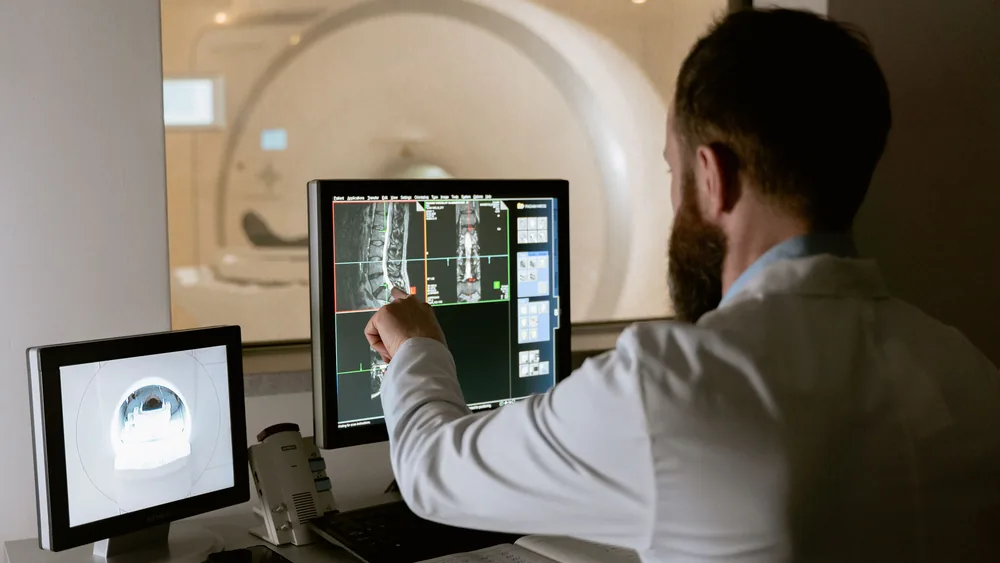
AI in Healthcare Is Quietly Entering the Operating Room

AI systems supporting future healthcare environments
Image source: pexels.com
Imagine a surgeon reviewing hundreds of medical details before a procedure. Blood reports, scans, medications, allergies, risk factors, and patient histories all require attention. Even experienced professionals can face information overload.
This is where AI in healthcare is quietly beginning to help. Artificial intelligence can review large amounts of information much faster than traditional methods. Rather than replacing doctors, AI acts more like a highly efficient assistant helping identify patterns and organize data.
Medical researchers continue studying how artificial intelligence may support surgical planning and improve decisions during procedures. Some healthcare technology trends suggest future systems could eventually provide risk predictions or real-time guidance.
Only a few years ago this sounded like science fiction. Today, it increasingly feels like reality unfolding inside operating rooms.
Advanced Surgical Systems Are Building Smarter Hospitals

Connected healthcare systems inside modern hospitals
Image source: pexels.com
Walk into a hospital today and something feels different. Machines no longer operate separately. Imaging systems communicate with digital records. Software platforms support robotic tools. Data moves instantly across connected environments.
Advanced surgical systems are becoming complete healthcare ecosystems rather than individual devices. Hospitals increasingly combine robotics, patient monitoring systems, imaging tools, and AI technologies into connected environments.
Healthcare experts also remind hospitals that new technologies require careful testing, proper training, and evidence-based implementation before becoming widespread.
Technology now shapes patient decisions in many ways. Interest around healthcare financing options reflects how treatment choices increasingly involve financial planning alongside medical innovation.
The Human Side of Surgical Innovation Still Matters Most
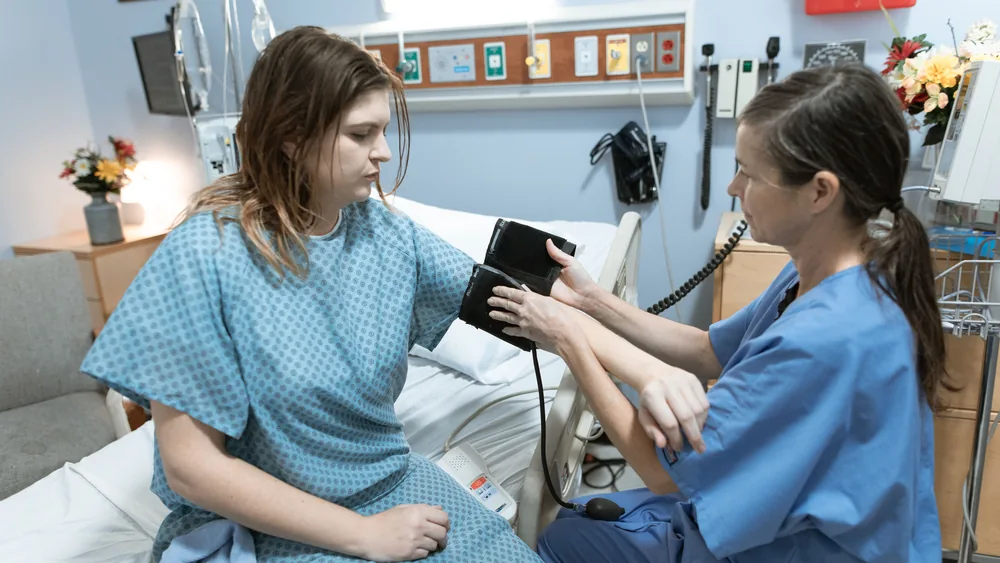
Human care remains at the center of healthcare
Image source: pexels.com
For all the excitement around robotics and artificial intelligence, one truth still matters most. Behind every machine sits a human story.
A patient waiting outside an operating room rarely thinks about algorithms or software systems. They think about seeing family again. They think about returning home and getting back to normal life.
Technology works best when it supports these emotional moments. Healthcare workers themselves face demanding schedules and emotional pressure. Resources around work-life balance guidance continue attracting attention because supporting healthcare professionals matters too.
Recovery experiences matter as well. Simple comfort tools such as an electric hot water bottle can help support comfort and relaxation during recovery periods.
Behind every healthcare breakthrough remains a simple human goal: helping people feel cared for.
The Future of Surgery Is Becoming More Human
Years ago surgery often felt like stepping into uncertainty. Today medical technology in surgery is slowly replacing fear with confidence. Robotic-assisted surgery improves precision. Minimally invasive surgery supports faster recovery. AI in healthcare strengthens decision-making. Advanced surgical systems continue building smarter hospitals.
The most powerful part of this transformation is not the machines themselves. It is the confidence people now carry into treatment. As surgical innovation continues shaping healthcare, patients can look toward the future with greater trust and hope. For readers of The Tech News, one thing feels clear: the next chapter of medicine may become even more personal, intelligent, and extraordinary.
What is medical technology in surgery?
Medical technology in surgery includes robotics, imaging systems, artificial intelligence, and digital tools designed to improve precision surgery and patient outcomes.
How much has robotic-assisted surgery grown?
Robotic-assisted surgery has expanded rapidly. Intuitive reports more than 14 million procedures worldwide have been completed using da Vinci systems.
Is minimally invasive surgery safer than traditional surgery?
Many minimally invasive surgery procedures may reduce pain, recovery time, and hospital stays. Doctors choose the best approach depending on each patient’s condition.
Why does AI matter in healthcare surgery?
AI in healthcare helps process medical information quickly and may support surgical planning, risk prediction, and treatment decisions.
What are advanced surgical systems?
Advanced surgical systems combine robotics, imaging tools, AI technologies, and connected platforms that support modern surgical technology.
Will robots replace surgeons?
No. Robotic-assisted surgery supports surgeons rather than replacing them. Doctors remain responsible for decisions, patient care, and procedures.