Chest Fitness Machine Guide: Best Machines, Benefits, Workouts, and Tips for Better Chest Growth
The best chest fitness machines for muscle growth and safer workouts, with benefits, exercises and beginner-friendly chest machine routines.

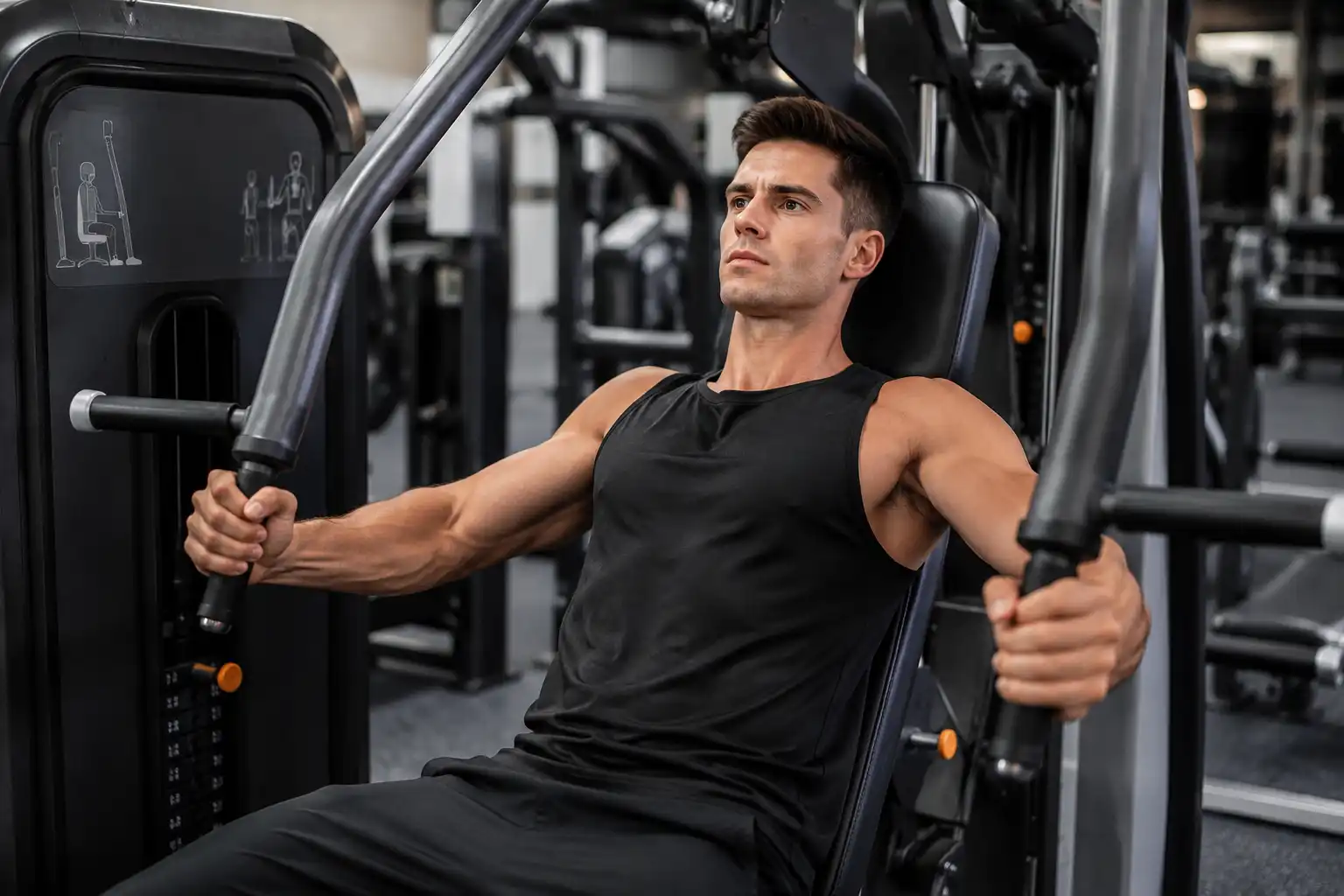
A chest fitness machine is one of the most effective tools for building chest strength, improving muscle definition, and making workouts safer for beginners. These machines are designed to target the chest muscles with controlled movement, which helps users focus on proper form and steady resistance. Whether you train in a commercial gym or a home gym, chest machines can help improve upper body strength while reducing injury risk compared to heavy free weights.
Many people use chest machines because they are beginner-friendly, easy to adjust, and suitable for different fitness goals. Some machines focus on chest pressing movements, while others isolate the chest muscles for better contraction and muscle growth. In this guide, you will learn about the best chest fitness machines, muscles worked, benefits, workout routines, common mistakes, and tips for getting better results.
What Is a Chest Fitness Machine?
A chest fitness machine is a gym machine designed to train the chest muscles through pushing or fly-style movements. These machines use weight stacks, resistance cables, or plate-loaded systems to create resistance during workouts. Most gyms include multiple chest machines because different machines target different parts of the chest.
Unlike dumbbells or barbells, chest machines guide the movement path, which helps maintain proper form. This makes them useful for beginners, older adults, and people recovering from injuries. Chest machines also help reduce balance-related issues during workouts. Common examples include chest press machines, pec deck machines, incline chest press machines, and cable crossover systems.
Muscles Worked by Chest Fitness Machines
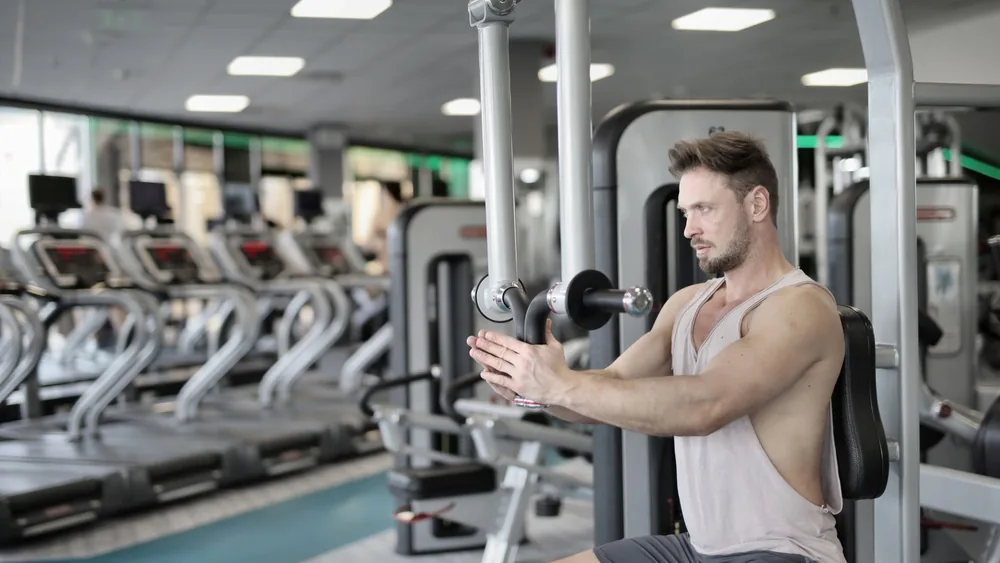
Image source: pexels.com
Chest fitness machines mainly target the pectoral muscles, but several supporting muscles also work during chest exercises. Different machine angles can shift more focus toward the upper, middle, or inner chest area. Understanding the muscles involved can help users choose the right machine for their fitness goals.
Most chest workouts also activate the shoulders and triceps because pushing movements require support from these muscles. Machines that use cable resistance may additionally engage stabilizer muscles to improve control and movement quality.
| Main Muscle Group | Function During Exercise |
|---|---|
| Pectoralis Major | Main chest muscle used for pressing |
| Upper Chest | Activated during incline movements |
| Front Deltoids | Support shoulder movement |
| Triceps | Help extend the arms during presses |
| Stabilizer Muscles | Improve control and posture |
Benefits of Using a Chest Fitness Machine
Chest machines provide several advantages for both beginners and experienced gym users. One major benefit is controlled movement, which helps reduce mistakes during exercise. Many users find machines easier to use because they require less balance and coordination than free weights.
Another benefit is muscle isolation. Machines help users focus directly on the chest muscles without relying heavily on supporting muscles. This can improve muscle activation and support chest growth. Machines are also safer for people training alone because most designs reduce the risk of dropping heavy weights during workouts.
Better Muscle Isolation
Chest machines guide movement in a fixed path, helping users focus more directly on the chest muscles. This improves muscle contraction during each repetition and helps reduce unnecessary shoulder movement. Isolation exercises are especially useful for bodybuilding and muscle definition goals.
Safer for Beginners
Many beginners struggle with balance and lifting technique when using free weights. Chest machines simplify the movement pattern and lower injury risk. The guided motion helps users maintain proper posture and avoid dangerous lifting mistakes during workouts.
Easier Weight Progression
Most chest machines allow quick weight adjustments using a pin-loaded system or plates. Users can gradually increase resistance as strength improves. This supports progressive overload, which is important for muscle growth and long-term strength development.
Best Types of Chest Fitness Machines
Different chest machines are designed for different workout styles and chest muscle areas. Some machines focus on heavy pressing movements, while others provide better muscle isolation. Using multiple chest machines in a workout routine can help build a fuller and stronger chest.
Each machine offers unique benefits depending on the user’s fitness level and training goals. Beginners often start with chest press machines, while advanced users may combine several machines for complete chest development.
Chest Press Machine
The chest press machine is one of the most popular chest workout machines in gyms. It works similarly to a bench press but offers more stability and guided movement. Users push the handles forward while seated against a backrest.
This machine mainly targets the middle chest, shoulders, and triceps. Many beginners prefer it because it feels safer than free-weight bench presses and helps improve pressing strength gradually.
Advantages of the Chest Press Machine
- Beginner-friendly design
- Helps improve chest strength
- Supports controlled movement
- Lower injury risk compared to barbell presses
- Easy to adjust resistance levels
Incline Chest Press Machine
The incline chest press machine focuses more on the upper chest muscles. The seat and handles are positioned at an upward angle, which shifts more resistance toward the upper pectoral area.
This machine is commonly used by people who want a more balanced and fuller chest appearance. It also activates the front shoulder muscles during pressing movements.
Why the Incline Machine Is Popular
The incline chest press helps target an area that many people struggle to develop with flat pressing exercises alone. It can improve upper chest definition and create a more complete chest shape over time.
Pec Deck Machine
The pec deck machine uses a chest fly movement instead of a pressing movement. Users bring padded handles together in front of the body while seated upright. This exercise mainly isolates the chest muscles.
The pec deck is useful for improving muscle contraction and chest definition. Many bodybuilders include it at the end of workouts to increase muscle fatigue and improve chest activation.
Benefits of the Pec Deck Machine
- Strong chest muscle isolation
- Easy movement for beginners
- Good for improving chest contraction
- Reduces heavy shoulder involvement
- Helpful for muscle definition workouts
Cable Crossover Machine
The cable crossover machine is one of the most versatile chest training options available in gyms. Users can adjust cable height to perform chest fly exercises from different angles.
Cables create continuous resistance during the movement, which keeps the chest muscles active throughout the exercise. This machine is excellent for improving muscle control and targeting different chest areas.
Why Cable Machines Are Effective
Cable exercises allow a wider range of motion than many fixed machines. Users can target the upper, middle, or lower chest by adjusting cable positions. This flexibility makes cable crossovers popular in advanced chest workouts.
Smith Machine for Chest Exercises
The Smith machine is commonly used for guided bench presses and incline presses. It supports the barbell on fixed rails, helping users maintain better stability during heavy lifting.
Many beginners use the Smith machine because it feels safer than traditional bench pressing. Advanced users also use it for controlled heavy training and muscle overload techniques.
Best Chest Machine for Different Fitness Goals
Different chest machines work better for different training goals. Choosing the right machine can improve workout efficiency and help users achieve results faster.
| Fitness Goal | Best Chest Machine |
|---|---|
| Muscle Building | Chest Press Machine |
| Upper Chest Growth | Incline Chest Press |
| Muscle Isolation | Pec Deck Machine |
| Strength Training | Smith Machine |
| Home Gym Workouts | Compact Chest Press Machine |
| Chest Definition | Cable Crossover Machine |
How to Use a Chest Fitness Machine Correctly
Proper form is important for getting the best results from chest machines. Incorrect use can reduce muscle activation and increase injury risk. Before starting any chest exercise, users should adjust the seat height and choose an appropriate resistance level.
Controlled movement is another important factor. Fast repetitions often reduce muscle tension and place unnecessary pressure on the joints. Slow and steady repetitions help improve chest activation and overall workout quality.
Adjust the Seat Properly
Your chest should line up naturally with the machine handles. Poor seat positioning can place more stress on the shoulders instead of the chest muscles. Always adjust the machine before starting your workout.
Avoid Using Momentum
Swinging or pushing too quickly reduces exercise effectiveness. Controlled repetitions keep tension on the chest muscles and improve workout results. Slow movements also help improve muscle control and stability.
Use a Full Range of Motion
Partial repetitions limit chest muscle activation. Lower the handles carefully and complete the full movement without locking the elbows. Full range exercises usually produce better muscle growth over time.
Common Mistakes While Using Chest Machines
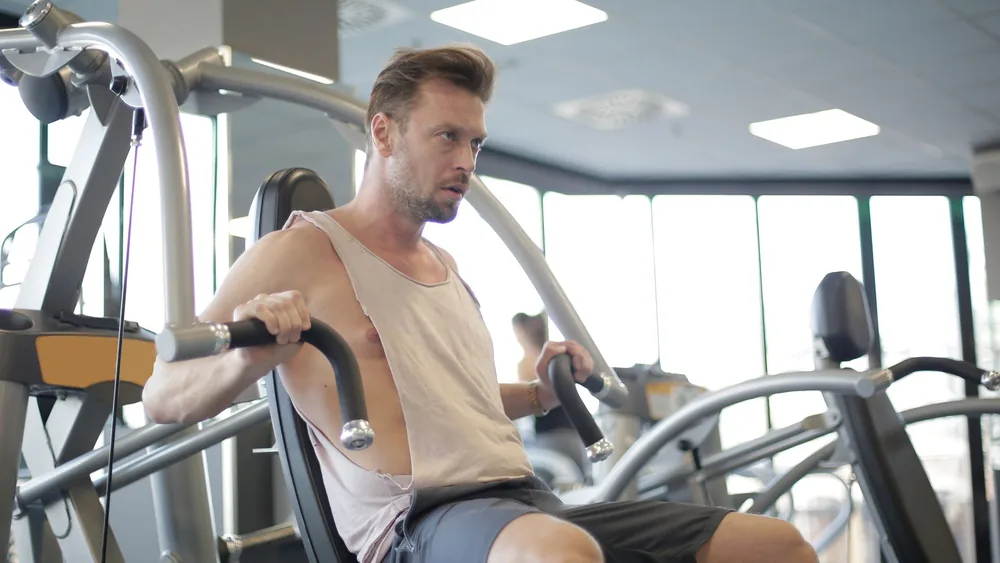
Image source: pexels.com
Many gym users make mistakes that reduce the effectiveness of chest machine workouts. One common problem is using excessive weight. Heavy resistance often causes poor form and limited movement range.
Another mistake is ignoring posture. Rounded shoulders and poor seating position can place stress on the shoulder joints instead of targeting the chest muscles correctly. Proper setup and controlled movement are important for safe and effective workouts.
| Common Mistake | Why It Is a Problem |
|---|---|
| Using Too Much Weight | Reduces proper form |
| Locking Elbows | Places stress on joints |
| Fast Repetitions | Lowers muscle tension |
| Poor Seat Position | Shifts pressure to shoulders |
| Partial Reps | Reduces muscle activation |
Beginner Chest Machine Workout Routine
Beginners should start with moderate resistance and focus on learning proper exercise form. A simple machine-based chest workout can improve strength and confidence while reducing injury risk.
This beginner-friendly workout targets different areas of the chest using multiple machines. Rest for 60–90 seconds between each set for recovery.
| Exercise | Sets | Reps |
|---|---|---|
| Chest Press Machine | 3 | 10–12 |
| Pec Deck Machine | 3 | 12 |
| Incline Chest Press | 3 | 10 |
| Cable Chest Fly | 2 | 12–15 |
Chest Machines vs Free Weights
Chest machines and free weights both have advantages. Machines provide stability and controlled movement, while free weights improve balance and coordination. Many fitness experts recommend combining both methods for balanced chest development.
Machines are often better for beginners because they reduce technique-related mistakes. Free weights may activate more stabilizer muscles and provide greater movement freedom during exercises.
| Chest Machines | Free Weights |
|---|---|
| Easier for beginners | Improve balance |
| Safer guided movement | Greater movement freedom |
| Better isolation | Activate stabilizer muscles |
| Lower injury risk | Functional strength training |
Are Chest Fitness Machines Good for Home Gyms?
Home chest machines have become more popular because many people now prefer working out at home. Compact chest press machines and cable systems are suitable for small home gyms and basic strength training.
Before buying a chest machine, users should consider space, budget, resistance type, and workout goals. Foldable or multifunctional machines are often better choices for smaller workout spaces.
Many people also combine chest workouts with lower-body training using glute fitness machines to create a complete home gym setup.
Tips for Faster Chest Muscle Growth
Building a stronger chest requires more than simply using gym machines. Training consistency, proper nutrition, and recovery all play important roles in muscle development. Chest workouts should focus on gradual strength improvement while maintaining proper exercise form.
Many people stop seeing progress because they repeat the same routine for too long or fail to increase resistance over time. Small improvements in workout intensity can make a big difference in long-term results.
Train Chest 1–2 Times Per Week
Chest muscles need enough recovery time between workouts. Training once or twice weekly is usually enough for muscle growth and strength improvement.
Increase Resistance Gradually
Progressive overload helps muscles adapt and grow stronger. Add small amounts of weight over time instead of making large jumps in resistance.
Focus on Protein Intake
Protein supports muscle recovery after workouts. Foods like eggs, chicken, fish, dairy products, and protein shakes can help support muscle growth.
Prioritize Proper Sleep
Muscle recovery mainly happens during rest. Poor sleep can reduce workout performance and slow down muscle-building progress.
Final Thoughts
A chest fitness machine is an effective tool for building upper body strength, improving chest muscle definition, and creating safer workout routines for people of all fitness levels. Machines such as the chest press, incline press, pec deck, and cable crossover all provide different benefits for chest development.
Using proper form, choosing the right resistance, and following a consistent workout routine can help improve long-term results. Combining chest machine exercises with healthy nutrition, rest, and progressive overload will support better muscle growth and strength over time.
Whether you train in a commercial gym or at home, chest machines can make chest workouts more structured, beginner-friendly, and effective for reaching your fitness goals.
Frequently Asked Questions
What muscles does a chest fitness machine work?
A chest fitness machine mainly targets the pectoral muscles, including the upper, middle, and inner chest. Many chest machines also activate the shoulders and triceps during pressing movements.
Is a chest press machine better than bench press?
Chest press machines are usually safer and easier for beginners because they provide guided movement and better stability. Bench presses may activate more stabilizer muscles, but machines are often better for controlled chest isolation and lower injury risk.
What is the best chest machine for building muscle?
The chest press machine and incline chest press machine are considered among the best options for chest muscle growth because they allow progressive overload and controlled resistance training.
How do you use a chest press machine correctly?
To use a chest press machine correctly, keep your back flat against the pad, align the handles with chest level, and press the weight slowly without locking your elbows. Controlled movement and proper seat adjustment are important for safety and muscle activation.
Are chest machines good for beginners?
Yes, chest machines are beginner-friendly because they reduce balance-related problems and guide the movement path. This helps new gym users learn proper chest exercise form more safely.
Can chest machines replace free weights?
Chest machines can build strength and muscle effectively, but many fitness experts recommend combining machines with free weights for balanced upper-body development and better functional strength.
Which chest machine is best for upper chest workouts?
The incline chest press machine is one of the best machines for targeting the upper chest muscles because the angled movement shifts more resistance toward the upper pectoral area.
How often should I train chest muscles with machines?
Most people train chest muscles one or two times per week depending on recovery, workout intensity, and fitness goals. Proper rest is important for muscle growth and recovery.
Are chest fitness machines safe for older adults?
Yes, many chest machines are suitable for older adults because they provide stable and controlled movement. Machines can reduce injury risk compared to heavy free-weight exercises when used properly.
What are the most common chest machine mistakes?
Common mistakes include using too much weight, moving too fast, locking the elbows, and setting the seat at the wrong height. These errors can reduce chest activation and increase injury risk.