How to Dispose of Kitchen Knives Safely and Responsibly
Learn how to dispose of kitchen knives safely with simple step-by-step methods for recycling, donating, wrapping, and throwing away old knives responsibly.

Kitchen knives are one of the most useful tools in any home, but disposing of them the wrong way can create serious safety risks. Many people make the mistake of throwing old knives directly into the trash without proper protection, which can easily injure sanitation workers, recycling staff, or even family members at home. Whether your knife is dull, broken, rusty, or simply no longer needed, safe knife disposal should always be handled carefully.
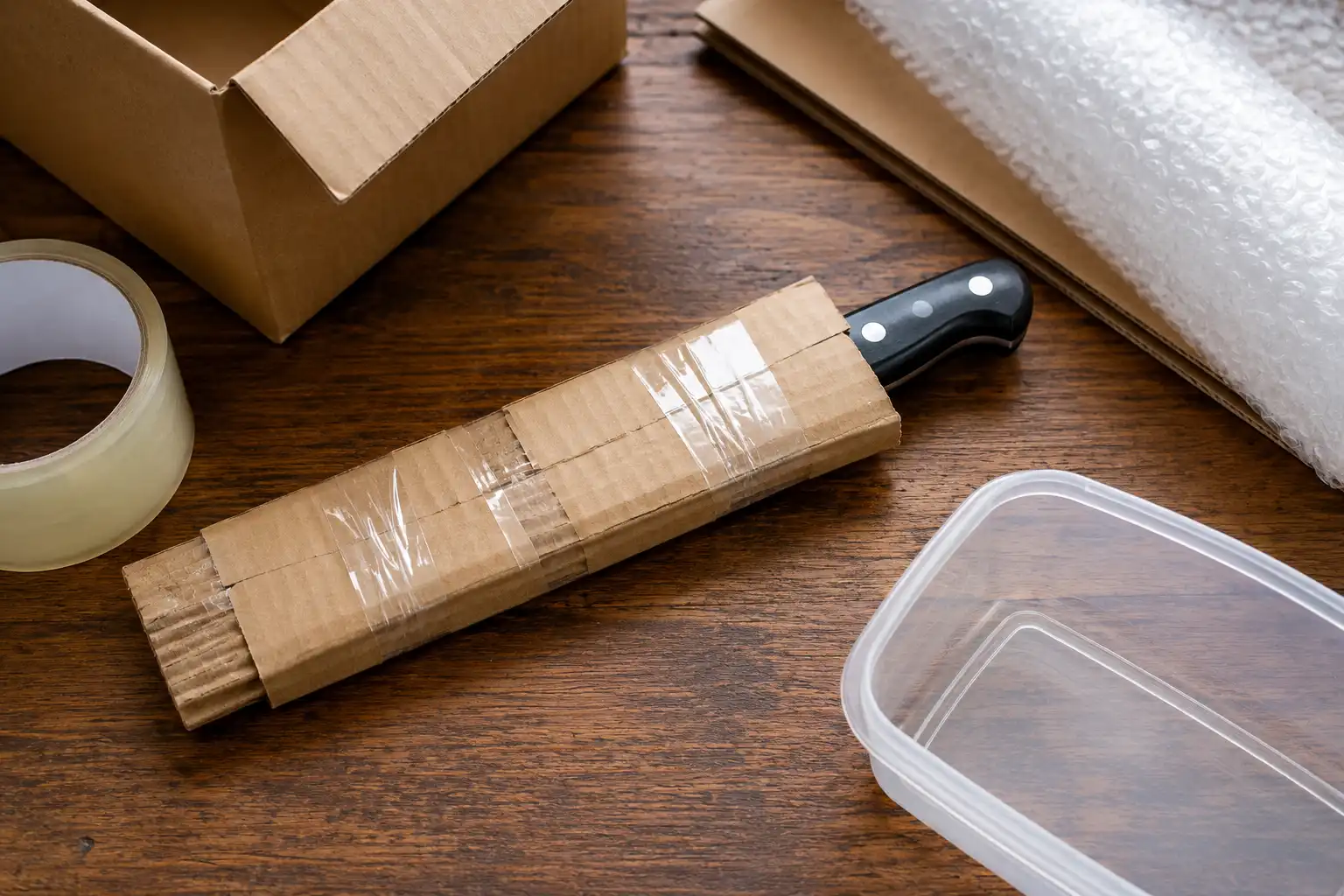
The safest way to dispose of kitchen knives is to wrap the blade securely in thick cardboard, tape it tightly, place it inside a sturdy container, and label it clearly before throwing it away or taking it to a recycling centre.
In this guide, you will learn how to dispose of kitchen knives safely, including the best ways to recycle, donate, repurpose, or throw away old blades responsibly. You will also learn what mistakes to avoid, when a knife should be replaced, and the most eco-friendly disposal methods for protecting the environment.
Can You Throw Kitchen Knives in the Trash?
Yes, you can throw kitchen knives in the trash in many areas, but only if they are packaged safely first. Never place a loose knife directly into a garbage bag or recycling bin.
An exposed blade can cut through trash bags and seriously injure sanitation workers or anyone handling the waste later. This is why proper wrapping and labeling are extremely important before disposal.
If your local recycling centre accepts metal items, recycling is often a better option than sending old knives to landfill.
How to Dispose of Kitchen Knives Safely
Image source: pexels.com
The safest way to dispose of kitchen knives is to secure the blade completely before placing it in the trash or taking it to a recycling facility.
Follow these simple steps carefully.
Wrap the Blade Properly
Start by covering the blade with thick cardboard. Cardboard creates a strong protective layer that helps prevent injuries.
Place the knife between two pieces of cardboard and make sure the sharp edge is fully covered. You can also use multiple layers of newspaper or bubble wrap, but cardboard is usually the safest choice.
Secure It With Strong Tape
Use packing tape or duct tape to hold the cardboard tightly around the blade.
Wrap the tape around the entire knife several times so the covering cannot move or slip off. If the knife is broken, wrap each sharp piece separately.
Place the Knife Inside a Strong Container
For additional safety, place the wrapped knife inside a sturdy container before disposal.
Good options include:
- A cardboard box
- A thick plastic container
- An old food storage box with a lid
Avoid placing wrapped knives directly into thin garbage bags because the blade could still break through.
Label the Package Clearly
Write “SHARP OBJECT” or “KITCHEN KNIFE” clearly on the outside of the package.
This simple step warns waste collectors and anyone handling the item to be careful.
Dispose of It Carefully
Once the knife is fully secured, you can:
- Place it in your general waste bin if local rules allow
- Take it to a recycling centre
- Drop it off at a scrap metal recycling facility
Always check local disposal guidelines because rules may differ depending on your area.
Can Kitchen Knives Be Recycled?
Yes, many kitchen knives can be recycled because they are commonly made from stainless steel or other recyclable metals.
Recycling is one of the best ways to dispose of kitchen knives because it helps reduce landfill waste and allows the metal to be reused.
However, kitchen knives should usually not go into normal household recycling bins. Loose sharp objects can become dangerous during sorting and processing.
Instead, take old knives to:
- Household recycling centres
- Scrap metal facilities
- Community recycling events
Before recycling, always wrap the blade securely for safety.
Where to Donate Old Kitchen Knives
If your kitchen knives are still in good condition, donating them may be a better option than throwing them away.
Many people replace knives simply because they want newer models, even though the old ones still work well after sharpening.
Possible donation options include:
- Charity shops
- Community kitchens
- Homeless shelters
- Culinary schools
- Local nonprofit organisations
Some places may not accept knives because of safety rules, so contact them before donating.
Donating usable kitchen tools helps reduce waste and gives the item a second life.
How to Dispose of Broken or Rusty Kitchen Knives
Broken or heavily rusted knives should normally be recycled or thrown away instead of donated.
Damaged knives can become dangerous because:
- Broken tips may snap during use
- Rust weakens the metal
- Loose handles increase injury risks
- Dull blades require extra pressure while cutting
Before disposal:
- Wrap every sharp section separately
- Tape damaged pieces securely
- Place everything inside a sturdy container
- Label the package clearly
If a knife has serious structural damage, replacing it is usually the safest option.
What Not to Do When Throwing Away Knives
Many injuries happen because people dispose of knives carelessly. Avoid these common mistakes.
Do Not Throw Loose Knives Into the Bin
This is one of the most dangerous mistakes. A loose blade can cut through trash bags and seriously injure someone.
Always wrap and secure the knife properly first.
Do Not Use Thin Wrapping
Thin paper or plastic bags are not enough to safely cover a sharp blade.
Use thick cardboard and strong tape instead.
Do Not Put Knives in Regular Recycling Bins
Most household recycling systems are not designed to handle sharp metal objects safely.
Always use a proper recycling facility for kitchen knives.
Do Not Leave Old Knives Around Children
If you are waiting to dispose of old knives, keep them stored safely away from children and pets.
Never leave exposed blades inside drawers or bags.
Eco-Friendly Ways to Dispose of Kitchen Knives
If you want to reduce waste, there are several environmentally friendly ways to dispose of old kitchen knives.
Recycle the Metal
Metal recycling is one of the best eco-friendly disposal methods. Stainless steel can often be melted down and reused for new products.
This helps reduce landfill waste and supports sustainable recycling practices.
Donate Usable Knives
Image source: pexels.com
If the knife still works well, donation is often a better choice than disposal.
A knife you no longer use may still be valuable for someone else.
Repurpose Old Knives
Some people turn old kitchen knives into:
- Garden tools
- DIY craft items
- Decorative pieces
- Outdoor utility tools
Only attempt this if you can handle tools safely.
Sharpen Instead of Replacing
Many knives are thrown away simply because they become dull over time. In reality, a good-quality knife can last for years with proper maintenance.
If you regularly prepare tougher ingredients at home, learning proper knife care becomes even more important for safe and clean cutting. Foods like chicken gizzard often require sharp and reliable kitchen knives for easier preparation.
When Should You Replace Kitchen Knives?
Not every old knife needs to be thrown away immediately. Some knives can continue working well after sharpening or basic maintenance.
However, you should consider replacing a kitchen knife if:
- The blade is cracked or bent
- The handle feels loose
- Heavy rust keeps returning
- The knife no longer sharpens properly
- Large chips appear on the blade
Using damaged knives can actually be more dangerous than using sharp knives because they require more force during cutting.
High-quality kitchen knives can often last many years when cared for properly.
Tips for Safe Kitchen Knife Handling
Good knife care improves kitchen safety and helps reduce unnecessary waste.
Store Knives Properly
Use:
- Knife blocks
- Magnetic strips
- Blade guards
- Drawer organisers
Loose knives inside drawers become dull faster and increase the risk of cuts.
Keep Blades Sharp
Sharp knives usually cut more safely than dull knives because they require less force.
Use a knife sharpener regularly or have knives professionally sharpened when needed.
Wash Knives Carefully
Hand washing is often better than using a dishwasher because it helps protect both the blade and handle.
Dry knives immediately after washing to reduce rust.
Conclusion
Learning how to dispose of kitchen knives safely helps protect both people and the environment. Loose blades can create serious risks if they are thrown away carelessly.
The best approach is to wrap the knife securely, label it clearly, and choose the safest disposal option available in your area. Recycling and donation are often better choices than sending knives directly to landfill.
If your knives are still usable, sharpening or donating them can help reduce waste while extending their lifespan. For broken or damaged knives, safe disposal should always be the top priority.
Frequently Asked Questions
How do you dispose of kitchen knives safely?
The safest way to dispose of kitchen knives is to wrap the blade in thick cardboard, secure it tightly with strong tape, place it inside a sturdy container, and label it clearly before disposal. This helps prevent injuries during waste handling.
Can you throw kitchen knives in the garbage?
Yes, kitchen knives can usually be thrown in the garbage if they are packaged safely first. Never place loose knives directly into trash bags because exposed blades can injure sanitation workers.
Can kitchen knives go in recycling bins?
Most regular household recycling bins do not accept sharp objects like kitchen knives. Instead, take them to a scrap metal recycling facility or local recycling centre that accepts metal items.
What should you wrap old knives in before disposal?
Old knives should be wrapped in thick cardboard, newspaper, bubble wrap, or another strong protective material. The wrapping should then be secured tightly with tape to keep the blade covered.
Can rusty kitchen knives be recycled?
Yes, rusty kitchen knives can often still be recycled because the metal remains reusable. However, they should always be wrapped carefully before transport for safety.
Is it better to recycle or throw away old kitchen knives?
Recycling is usually the better option because it reduces landfill waste and allows the metal to be reused. Throwing knives away should generally be the last option if recycling is unavailable.
Can you donate old kitchen knives?
Yes, kitchen knives that are still in good condition can sometimes be donated to charity shops, shelters, culinary schools, or community kitchens. Always contact the organisation first to confirm they accept knives.
How do you transport old kitchen knives safely?
Wrap each knife securely, place it inside a sturdy container, and keep the package stable during transport. Labeling the container as “Sharp Object” is also recommended.
Is it illegal to throw away kitchen knives?
In many places, it is legal to throw away kitchen knives if they are packaged safely. However, local disposal rules may vary, so it is important to check local guidelines before disposal.
Should old kitchen knives be sharpened instead of replaced?
If the knife is still structurally safe, sharpening is often a better and more eco-friendly option than replacing it. Many high-quality kitchen knives can last for years with proper maintenance.