Box Truck Financing for Startups (2026 Guide): Costs, Options & Approval Tips
Box truck financing for startups explained with real costs, financing options, credit requirements, down payments, benefits, and risks new owners should know.

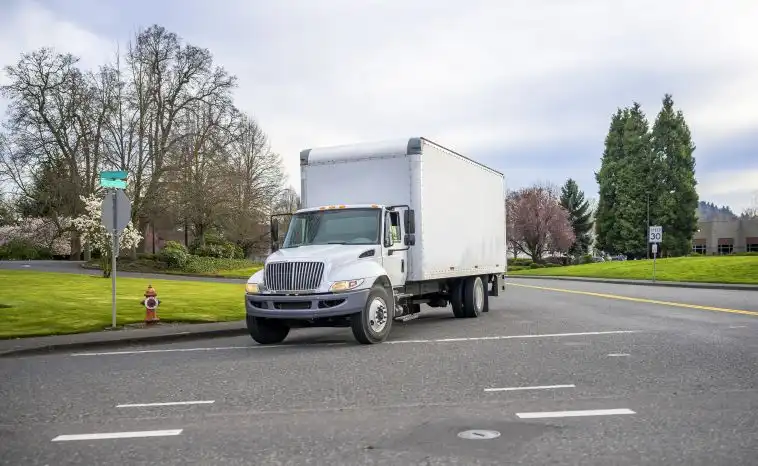
Box truck financing for startups has become a common topic as more people look to enter delivery, logistics, and contract hauling. Demand for local and regional transport continues to grow, but the cost of a box truck remains one of the biggest barriers for first-time owners.
Most startups do not have the capital to buy a truck outright. Even before the business starts operating, there are costs for insurance, registration, permits, fuel, and maintenance. For many new owners, financing is the only realistic way to get on the road and begin earning.
This article explains how box truck financing works for startups in 2026, the types of financing available, the key approval factors lenders consider, the benefits of financing, and the risks new owners should understand before committing.
Real Box Truck Costs in 2026
Understanding pricing is the first step before applying for financing.
In 2026, used box trucks suitable for startup operations typically cost between $25,000 and $55,000. Trucks at the lower end of this range often have higher mileage or older engines. Higher-priced units usually include liftgates, stronger maintenance records, or newer emissions systems.
New box trucks generally start around $65,000 and can exceed $90,000, depending on size, engine type, and configuration. For startups, new trucks are more difficult to finance unless the owner has strong credit and financial stability.
Because of this, most startup approvals are tied to used commercial box trucks with documented service history.
Types of Box Truck Financing Available for Startups
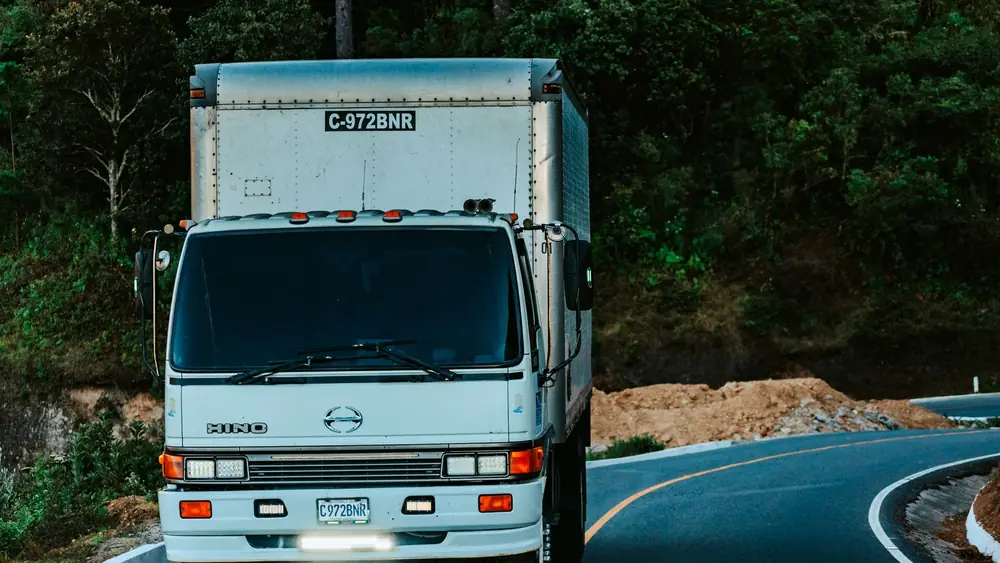
Image source: pexels.com
Box truck financing is not a single product. Startups usually choose from several financing structures based on credit profile, cash flow, and long-term plans.
Commercial Auto Loans
This is the most common option for startup box truck owners. The truck serves as collateral, payments are fixed, and full ownership transfers once the loan is paid off. Commercial auto loans work best for startups planning regular, high-mileage use and long-term ownership.
Equipment Financing
With equipment financing, the box truck is treated as business equipment rather than a standard vehicle. This option is often used when the truck includes specialized features such as refrigeration, liftgates, or custom interiors. Terms are similar to auto loans but may offer more flexibility for modified trucks.
Lease-to-Own Programs
Lease-to-own arrangements are sometimes chosen by startups looking for lower upfront costs. Monthly payments may be smaller, and ownership can be possible at the end of the term. However, total costs are usually higher than traditional financing, making this option better for short-term planning.
Short-Term or Alternative Financing
This option is typically used by startups with limited or weaker credit history. Approval is easier, but interest rates are higher and repayment periods are shorter. These arrangements are best viewed as temporary solutions rather than long-term strategies.
Can Startups Actually Get Approved?
Yes, startups can get box truck financing, but approval works differently than it does for established businesses.
Most new companies do not yet have operating history or business credit. As a result, lenders focus primarily on the individual owner. Personal credit history, income stability, and overall financial behavior matter more than how long the business has existed.
Lenders are essentially assessing whether payments are likely to be made consistently and whether the truck’s value supports the loan amount. Startup status alone is rarely the reason for rejection.
Credit Score Expectations for Startup Owners
Credit score plays an important role, but it is not the only deciding factor.
Owners with stronger credit usually qualify for lower interest rates and longer repayment terms. Those with average credit may still be approved, but often with higher rates or stricter conditions. Lower credit scores do not automatically lead to denial, but approvals often require larger down payments or shorter loan terms.
For startups, credit score works together with income, down payment size, and truck condition rather than acting alone.
Down Payments and No-Money-Down Claims
In real-world startup financing, down payments are normal.
Most lenders require 10% to 25% down, depending on credit profile and truck value. This reduces lender risk and shows financial commitment from the borrower.
No-money-down offers do exist, but they are usually limited to borrowers with strong credit or additional financial backing. These deals often come with higher interest rates to balance the risk.
Factors That Affect Box Truck Financing Approval
This is one area where clear bullet points improve understanding, as lenders review multiple factors together:
- Personal credit history
- Down payment amount
- Truck age, mileage, and condition
- Income stability or proof of earnings
- Requested loan term
Strength in one area can sometimes offset weakness in another, but no single factor guarantees approval.
Lease vs Finance for New Owners
Many startups compare leasing and financing without fully understanding the long-term impact.
Financing builds ownership and allows unrestricted mileage, which suits daily delivery work. Once the loan is paid off, the truck becomes a business asset.
Leasing can reduce monthly payments but may include mileage limits and return conditions. These restrictions can create unexpected costs for startups that operate frequently.
For most new owners planning consistent use, financing is usually the more practical option.
Benefits of Box Truck Financing for Startups
Image source: pexels.com
Financing offers several clear advantages for new businesses:
- Preserves cash for insurance, fuel, permits, and maintenance
- Allows faster entry into the market
- Helps build financial credibility for future expansion
- Creates predictable monthly expenses for budgeting
When structured properly, these benefits often outweigh the cost of interest.
Operating Costs Startups Often Overlook
Many startups focus on loan approval but underestimate ongoing expenses. Insurance premiums, routine maintenance, tire replacement, fuel costs, and downtime all affect profitability.
A loan payment that looks affordable on paper can become stressful if these costs are not planned for. Financing should always be viewed as one part of a larger operating budget.
How Financing Impacts Long-Term Growth
The first financed box truck often sets the tone for future opportunities.
Consistent on-time payments help establish trust with lenders and make it easier to qualify for better terms or additional vehicles later. Poorly structured financing, however, can restrict cash flow and slow expansion.
Is Box Truck Financing Worth It for Startups?
For most startups, financing is the only practical entry point into the industry.
When expectations are realistic and terms are chosen carefully, financing allows owners to earn income while spreading vehicle costs over time. When rushed or misunderstood, it can strain the business before stability is achieved.
Preparation is the deciding factor.
Final Thoughts
Box truck financing for startups sits in a realistic middle ground. It is not a shortcut, but it is not a closed door either. The difference comes down to preparation. Owners who take the time to understand real costs, lender expectations, and how financing fits into daily operations put themselves in a far stronger position from the start.
When financing is chosen with clarity rather than urgency, it becomes a tool instead of a burden. The right structure supports steady cash flow, protects working capital, and allows the business to grow at a sustainable pace. In the long run, the goal is not just to get approved, but to build a box truck business that can last.
Disclaimer
This article is for informational purposes only and does not constitute financial, legal, or investment advice. Financing terms, interest rates, and approval requirements vary by lender, credit profile, and market conditions. Always review agreements carefully and consult qualified professionals before making financial decisions.
Frequently Asked Questions About Box Truck Financing for Startups
1. What are the main types of box truck financing for startups?
Startups usually choose between commercial auto loans, equipment financing, lease-to-own programs, and short-term or alternative financing. The right option depends on credit profile, budget, and how long the business plans to keep the truck.
2. Can a startup get box truck financing with no business history?
Yes. Many lenders approve startups with no operating history by focusing on the owner’s personal credit, income stability, and down payment rather than business age.
3. How much down payment is required for box truck financing?
Most lenders require a down payment of 10% to 25% of the truck’s value. No-money-down options exist, but they are usually limited to borrowers with strong credit and often come with higher interest rates.
4. What credit score is needed to finance a box truck?
There is no single minimum score, but stronger credit generally results in better terms. Average credit may still qualify with higher rates or a larger down payment. Lower scores are not automatic denials, but approval conditions are stricter.
5. Is it better to lease or finance a box truck as a startup?
Financing is usually better for startups planning daily or high-mile usage because it builds ownership and has fewer restrictions. Leasing may lower monthly payments but often includes mileage limits and return conditions.
6. Do lenders require contracts or proof of income?
Some lenders ask for proof of income, prior work history, or future contracts. While not always required, having income documentation can improve approval chances and loan terms.
7. What costs should I consider besides the loan payment?
In addition to the loan, startups should plan for insurance, fuel, maintenance, tire replacement, permits, and downtime. These costs can significantly affect cash flow.
8. Can box truck financing help build business credit?
Yes. Making consistent, on-time payments can help build financial credibility and make it easier to qualify for better terms or additional trucks in the future.
9. Are used box trucks easier to finance than new ones?
Yes. Used box trucks with solid maintenance records are often easier for startups to finance because the loan amount is lower and the risk to the lender is reduced.
10. Is box truck financing worth it for startups?
For most startups, financing is the only practical way to enter the business. When terms are realistic and costs are understood, financing can support growth instead of limiting it.