Can You Finance a Fence? Costs, Options and Your Rights
Yes, but how you pay decides your protection if the job goes wrong. 2026 fence costs, Section 75, the July 2026 BNPL rules, and checking whose fence it is first.


The storm came through on a Sunday night, and by Monday morning half of Karen’s back fence was lying across the lawn and the dog was looking thoughtfully at next door’s garden. The first quote was £2,300. She did not have £2,300 spare, and the fencer helpfully mentioned he could spread it over twelve months. So, can you finance a fence? Yes, easily — but the way you pay decides how much protection you get if the job goes wrong, and one of those routes changed completely this summer.
| Ways to pay | Best for | Protection if the trader lets you down |
|---|---|---|
| Savings | Cheapest overall | Little beyond your contract |
| Credit card | Smaller jobs, 0% offers | Section 75 on items £100–£30,000 |
| Personal loan | Fixed, predictable payments | Depends how the loan is linked to the trader |
| Trader finance / BNPL | Convenience at quote stage | Regulated BNPL from 15 July 2026 |
| Secured loan | Rarely right for a fence | Your home is the security |
What a new fence actually costs in 2026

Image source: pexels.com
Karen’s first shock was the price, and she is not alone. Across the UK, a fitted garden fence usually lands somewhere around £85 to £180 a metre, with many jobs averaging about £110 to £120. A basic lap panel on timber posts sits at the cheaper end; closeboard on concrete posts with gravel boards costs more but lasts far longer. For a typical 10 to 15 metre boundary, most homeowners pay roughly £1,200 to £2,700. What moves the number is length, post type, slopes, whether the old fence needs taking away, and access — carrying everything through the house is slower. Get at least two written quotes listing exactly the same items, because wildly different quotes usually include different work rather than different prices.
Before you borrow a penny: is it even your fence?
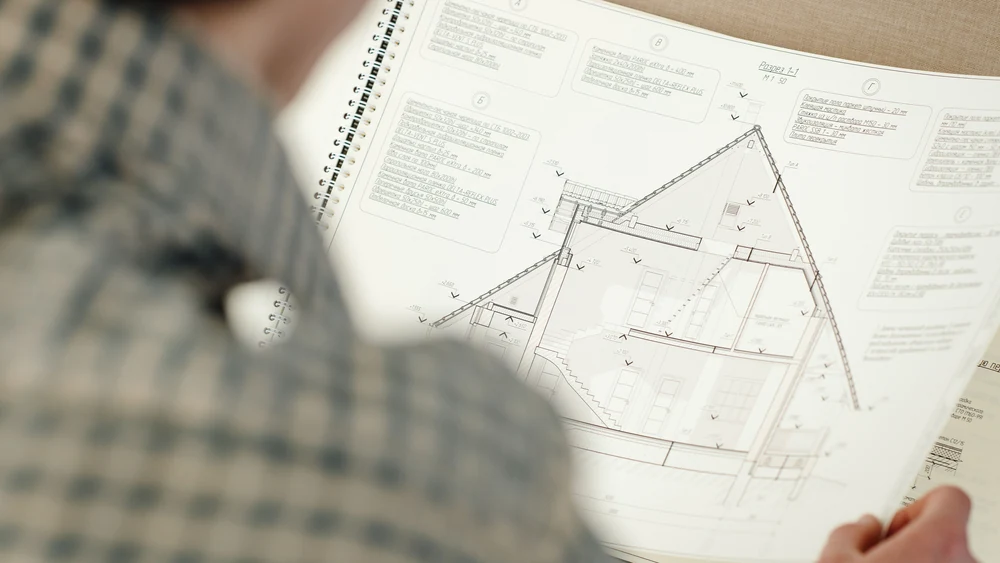
Image source: pexels.com
This is the step almost everybody skips, and it can save the whole bill. There is no rule that the fence on your left or right is automatically yours. Responsibility is normally shown on your title plan or deeds, often with small “T” marks along the boundary, and you can get copies from HM Land Registry for a small fee. Karen checked hers and discovered the collapsed section was her neighbour’s responsibility all along — a friendly conversation replaced a finance application. Also check height: a fence usually needs planning permission if it is over two metres, or over one metre where it sits next to a road used by vehicles. Listed buildings and some estates carry extra restrictions.
The credit card route, and the protection hiding in it

Image source: pexels.com
For a job of a couple of thousand pounds, a credit card is often the smartest option — not because of the card, but because of Section 75 of the Consumer Credit Act. If the cash price is over £100 and not more than £30,000, and you pay at least part of it on a credit card, the card provider becomes jointly liable with the fencer. If he takes the deposit and vanishes, or puts up something that falls over in the first gale, you have a claim against the card company as well as against him. Debit cards do not carry the same right. A 0% purchase card can be genuinely cheap, as long as the balance is cleared before the introductory period ends and the standard rate kicks in.
A personal loan: boring, predictable, often fine

Image source: pexels.com
An unsecured personal loan gives you a fixed amount, a fixed term and a fixed monthly payment, which makes it easy to budget for. Your home is not directly at risk, though missed payments still damage your credit file. The trap is the monthly figure. Stretching £2,300 over five years makes the payment look tiny and quietly raises the total you hand back, so compare the total amount repayable across offers rather than the monthly cost. For a fence that should last well over a decade, a short term — one or two years — is usually the sensible match. If you ever want to clear it early, you have a legal right to a settlement figure, much like the settlement figures used on car finance.
Buy now, pay later changed on 15 July 2026

Image source: pexels.com
When Karen’s fencer offered to “spread it”, the arrangement behind that offer matters. Interest-free buy now, pay later — repaid in twelve or fewer instalments within a year — became regulated by the Financial Conduct Authority on 15 July 2026. Lenders now have to run affordability checks on each purchase, give you clear information about payments and missed-payment consequences, and help if you get into difficulty. You can also complain to the Financial Ombudsman. Crucially, Section 75 now applies to BNPL purchases between £100 and £30,000 — but only on agreements made on or after 15 July 2026. Anything signed earlier does not get it. Ask who the lender actually is, not just what the trader calls it.
Point-of-sale finance is still a sales tool. Traders can earn commission for arranging it, and the headline “low monthly payment” can hide a longer term. Ask for the total repayable in writing and compare it with a card or personal loan — the same lesson millions learned with mis-sold car finance.
Why securing it on your home is almost never sensible
Image source: pexels.com
Occasionally someone suggests adding a fence to a remortgage or taking a secured loan because the rate looks lower. For a job of this size it is rarely worth it. A secured loan uses your property as security, so falling behind puts far more at risk than a garden boundary is worth, and spreading a small sum over a mortgage term can mean paying interest on it for twenty years. Secured and unsecured debts are treated very differently when things go wrong, which is why it is worth understanding what creditors can and cannot take before you choose. Keep secured borrowing for big, long-term projects, not a £2,000 repair.
What decides whether you are approved

Image source: pexels.com
Lenders look at your credit file, how much you already owe, how stable your income is, and how large the borrowing is compared with what you earn. The mistake that hurts people most is applying to several lenders in a row after a first refusal, because each full application leaves a hard search that makes the next one harder. Use soft-search eligibility checkers first — they show your chances without marking your file. If you do get turned down, the steps are the same whatever the product, and our guide to what to do after being refused finance walks through checking your file and fixing errors before trying again.
When something goes wrong with the work
Say the posts lean after a month or the panels arrive the wrong size. Your first claim is against the trader: under consumer law, services should be carried out with reasonable care and skill, and goods should match their description. If you paid on a credit card or a regulated finance agreement linked to the trader, you may also be able to bring the claim against the lender. The rights around faulty goods bought on credit work in a very similar way across purchases, which is why our guide to returning faulty goods bought on finance is useful reading even if the thing you financed is a fence rather than a car.
So how did Karen pay?
In the end, only half the fence was hers. She paid £1,150 on a 0% purchase card, set a direct debit to clear it in ten months, and kept the receipt somewhere safe in case Section 75 was ever needed. No secured loan, no five-year term, no surprise interest. That is usually the honest answer to whether you can finance a fence: yes, but check the boundary first, pick the cheapest route you can repay quickly, and make sure whatever you choose gives you protection if the job goes wrong. If you are planning a bigger garden or home project, our ideas on designing a contemporary home are worth a look before you get quotes.
Frequently asked questions
Can you finance a fence in the UK?
Yes. You can use savings, a credit card, a personal loan, trader finance or buy now pay later. The best option depends on cost, repayment time and protection.
How much does a new garden fence cost?
Usually around £85 to £180 per metre fitted. A typical 10 to 15 metre garden boundary costs roughly £1,200 to £2,700 in 2026.
Does Section 75 cover fencing work?
Yes, if the cash price is over £100 and up to £30,000 and you pay at least part on a credit card. The card provider shares liability with the trader.
Is buy now pay later regulated for home improvements?
Interest-free BNPL became FCA-regulated on 15 July 2026. Section 75 and Ombudsman protection apply to agreements made on or after that date.
How do I know if a fence is mine?
Check your title plan or deeds, often marked with a T. Copies are available from HM Land Registry. There is no automatic left or right rule.
Do I need planning permission for a new fence?
Usually not, unless it is over two metres high, or over one metre next to a road used by vehicles. Listed buildings may have extra rules.
This article is general information, not financial or legal advice. Costs are typical UK ranges for 2026 and vary by location and job. Buy now pay later rules and Section 75 protection depend on the type of agreement and when it was made. Check the terms, your title documents and your local planning rules before you commit.