Bootstrapping a Startup: How UK Founders Build Businesses Without Investors
Learn how bootstrapping a startup works and how UK founders build businesses using personal funds, early revenue, and lean strategies without investors.


Bootstrapping means funding growth from your own resources and from revenue rather than outside investment. It is slower than raising money and it keeps something raising money gives away permanently: ownership and control. Understanding bootstrapping a startup properly means being honest about both sides of that trade.
What It Actually Requires
The mechanics are simple and demanding. The business must reach the point where customers pay for something before the founders run out of savings, and it must then fund its own growth from margin. That constraint shapes every decision — what you build first, what you charge, and which customers you take.
The Genuine Advantages

Image source: pexels.com
You keep the company. There is no dilution, no board seat given away, no consent rights over decisions, and no obligation to pursue an exit on somebody else’s timetable. If the business becomes steadily profitable at a moderate scale, that is a complete success rather than a disappointment to an investor who needed something larger.
The discipline is real too. Spending your own money changes how carefully you spend it, and businesses that must charge customers from the start find out early whether anyone values what they are building. Funded companies can postpone that discovery for years.
The Genuine Costs
You will move more slowly than a funded competitor in the same market, and in markets where scale determines the winner that can be decisive. You will also carry personal financial risk that equity investors would otherwise have absorbed, and there is no buffer when a large customer pays late.
Growth is capped by margin. A business that could scale rapidly with capital may simply be unable to, and watching a slower-moving opportunity pass because you could not fund it is a real cost even if it never appears on a balance sheet.
Cash Flow Is the Whole Game
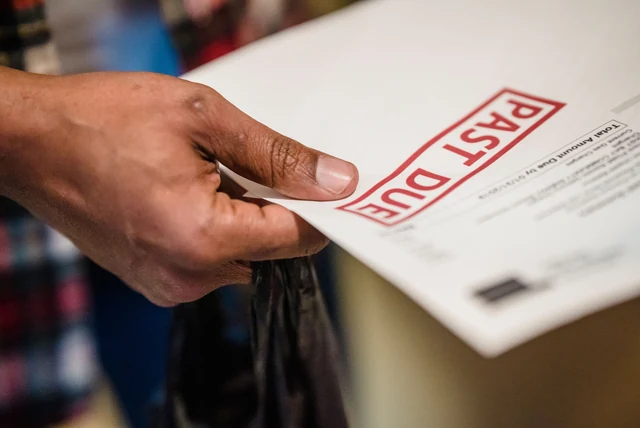
Without outside capital, cash is the only buffer. Invoice promptly, chase payment without embarrassment, negotiate deposits or staged payments for larger work, and keep a rolling forward view of the cash position. Profit on paper is no protection if the money arrives in April and the wages are due in February.
Practical Tactics
Charge from the beginning rather than building a free user base you hope to monetise later. Take deposits. Sell before you build where the customer is willing. Keep fixed costs low and prefer variable ones, because fixed costs are what kill you in a slow quarter. Use contractors rather than employees until demand is proven.
Customer revenue is the cheapest capital available, and a customer who pays up front for something you then build demonstrates demand and funds the work at the same time.
How It Compares With Raising
The alternative to funding growth yourself is selling part of the company. venture capital funding brings capital at a scale revenue cannot match, but it also brings a board, consent rights, and an expectation of an exit within a fund’s lifetime. Bootstrapped businesses answer to customers; funded businesses answer to customers and investors.
Neither is superior. The question is whether the opportunity genuinely requires capital to capture, or whether capital would simply make it happen faster than it otherwise would.
Pricing Is Your Main Lever
Without outside money, price is the fastest route to funding growth. Underpricing is the most common structural mistake in bootstrapped businesses and the hardest to correct later, because raising prices with existing customers is far more difficult than setting them correctly from the start. A ten per cent price increase usually falls almost entirely to the bottom line.
Grow Deliberately Rather Than Opportunistically
Bootstrapped companies fail more often from taking on too much than from too little ambition. A large contract requiring hiring and stock before payment arrives can exhaust cash and end an otherwise healthy business. Judge opportunities by what they demand up front, not only by what they are worth.
When Bootstrapping Is the Wrong Choice
It fits poorly where substantial upfront investment is unavoidable before any revenue is possible — hardware, regulated products requiring approval, or markets where a competitor taking the position first makes it unwinnable. Bootstrapping into that kind of market usually means running out of money slowly rather than building something durable.
It Is Not a Permanent Commitment
Image source: pexels.com
Many companies bootstrap first and raise later, and doing so from a position of revenue and traction produces far better terms than raising from a standing start. If you are weighing the sequence, it is worth understanding startup funding options in the UK and how to get startup capital for a new business before deciding, because the choice is usually about timing rather than principle.
Bootstrapping for longer is frequently the better trade. You give away less for the same money, and you keep the option of not raising at all.
Final Thoughts
Bootstrapping remains one of the most common ways founders launch startups in the UK.
While venture capital funding often dominates startup headlines, many successful businesses begin with far more modest resources — personal savings, early revenue, and careful financial management.
Bootstrapping offers founders independence, full ownership, and the freedom to grow their business on their own terms.
However, it also requires discipline, patience, and a strong focus on customers.
For many entrepreneurs, the most effective approach is to bootstrap the early stages of their startup and consider external funding only when the business is ready to scale.
Because in the end, the most powerful validation for a startup isn’t investor funding.
It’s customers willing to pay for the product.
FAQs
1. What does bootstrapping a startup mean?
Bootstrapping means building and funding a startup using personal resources or early revenue rather than external investors.
2. Is bootstrapping common for UK startups?
Yes. Many UK startups begin by bootstrapping their early stages before seeking external investment.
3. What are the advantages of bootstrapping?
Bootstrapping allows founders to retain full ownership, maintain decision-making control, and grow their business without investor pressure.
4. What are the risks of bootstrapping a startup?
The main risks include limited capital, slower growth, and personal financial exposure if the business fails.
5. Can bootstrapped startups later raise investment?
Yes. Many startups bootstrap initially and raise angel or venture capital funding later once they demonstrate traction.
Author Bio
Rajiv Gupta has more than 10 years of experience in digital media and online publishing. He runs Union Post, which covers UK business, finance and entertainment.
Disclaimer
This article is for informational purposes only and does not constitute financial or investment advice. Readers should conduct independent research or consult qualified financial professionals before making financial or business decisions.