What Is Chicken Gizzard? (2026 Guide to Nutrition, Benefits & Cooking)
Learn what chicken gizzard is, its nutrition, health benefits, cholesterol facts, digestion, safety, and the best ways to cook it properly at home.

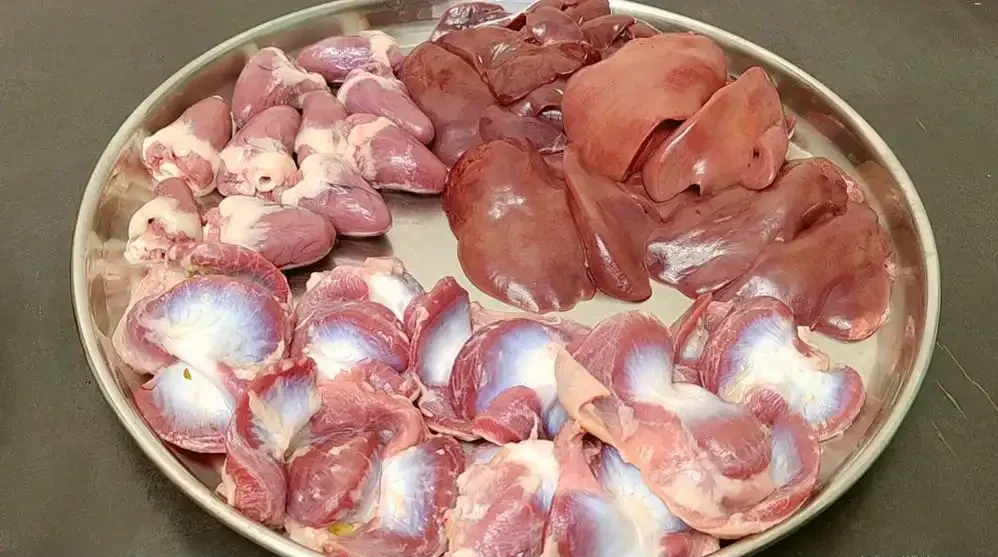
Chicken gizzard is one of those foods that many people have seen or eaten but still do not fully understand. It appears regularly in traditional home cooking and street food around the world, yet modern eaters often pause before trying it. Questions usually come up quickly: What exactly is a chicken gizzard? Is it healthy? Does it contain too much cholesterol? And why does it sometimes turn out tough when cooked?
Because of these questions, searches for chicken gizzard often centre on nutrition, digestion, safety, and the right way to prepare it. Some people want to know if it fits into a healthy diet, while others simply want to cook it properly without ruining the texture.
This article explains what it is, how it works inside the chicken’s body, how the human body digests it, and how to clean and cook it correctly so it is both safe and enjoyable to eat. It also includes practical tips, common mistakes, and modern nutrition insights to help you get the best results.
What Is a Chicken Gizzard?
Image source: pexels.com
A chicken gizzard is a specialised muscular stomach organ found in birds. Chickens do not have teeth, so food passes from the crop to the gizzard, where it is ground down through strong muscular contractions.
The gizzard works by crushing food against small particles the bird has swallowed. Because of this constant mechanical work, it becomes one of the toughest and most active muscles in the chicken’s body.
- Extremely strong muscle tissue
- Built for continuous grinding
- Naturally dense and firm in texture
This explains why gizzard meat behaves very differently from softer cuts like breast or thigh.
Why Chicken Gizzard Has a Firm Texture
Image source: pexels.com
The firm texture of chicken gizzard comes from its high collagen and connective tissue content. Collagen is a structural protein that keeps muscles strong but also makes them tough when cooked quickly.
- Fast cooking keeps gizzard tough and chewy
- Slow cooking breaks collagen into soft gelatin
This is why cooking method matters so much. If handled correctly, even this tough cut can become tender and enjoyable.
Taste Profile: What Chicken Gizzard Really Tastes Like

Image source: pexels.com
Chicken gizzard has a mild, savoury taste. It is not strong like liver and has no bitterness when cleaned properly. Its flavour is closer to dark chicken meat but with a firmer bite.
Because of its neutral taste, it absorbs spices and sauces very well. This is why it is popular in dishes such as curries, stir-fries, fried snacks, and slow-cooked stews in many cultures.
Nutritional Composition of Chicken Gizzard
Image source: pexels.com
Chicken gizzard is a nutrient-dense source of protein. It provides high-quality protein that contains essential amino acids needed for muscle repair and body function.
Key Nutritional Characteristics
- High-quality complete protein
- Low in fat compared to many meats
- No carbohydrates or sugars
- Rich in iron, zinc, vitamin B12, and selenium
These nutrients support energy levels, immune health, and red blood cell production. This makes gizzard a good option for people following high-protein or whole-food diets.
Health Benefits Supported by Nutrition Science
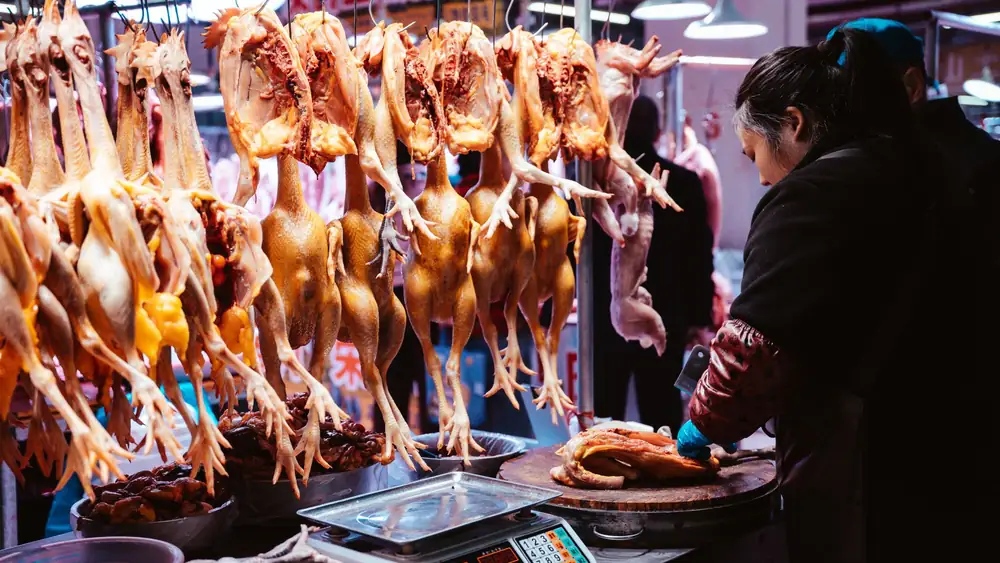
Image source: pexels.com
When eaten in moderation, chicken gizzard supports several important body functions. Protein helps maintain muscle and keeps you full for longer. Iron helps carry oxygen in the blood, while zinc supports immunity.
Selenium acts as an antioxidant and helps protect cells. Because of this mix of nutrients, gizzard is often included in traditional diets that focus on simple and natural foods.
Digestion and Bioavailability
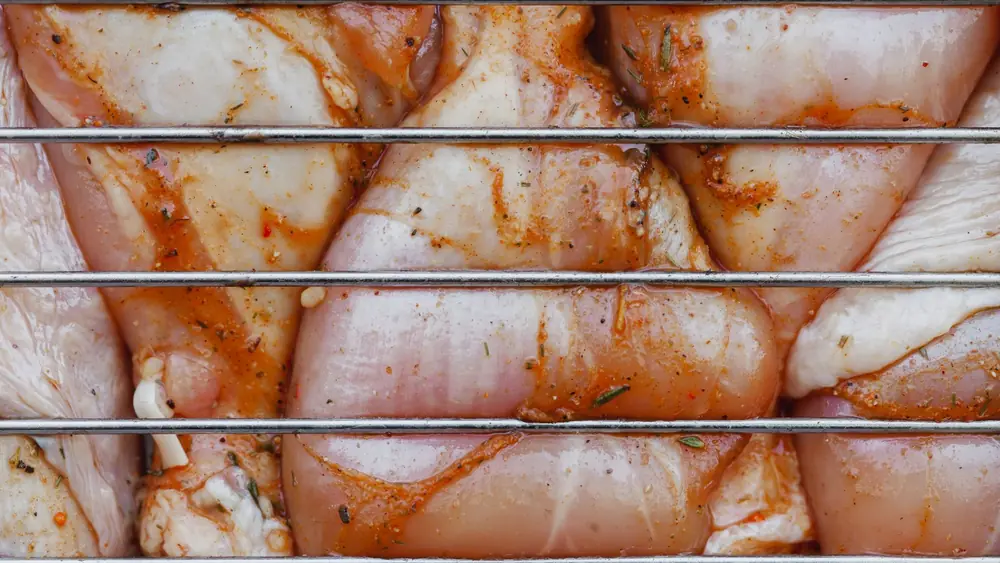
Image source: pexels.com
Chicken gizzard is not difficult to digest when cooked properly. The key factor is how it is prepared.
- Boiled or slow-cooked gizzard is easier to digest
- Pressure cooking softens fibres quickly
- Undercooked or fried gizzard may feel tough
Proper cooking improves both texture and nutrient absorption.
Cholesterol: Context and Balance
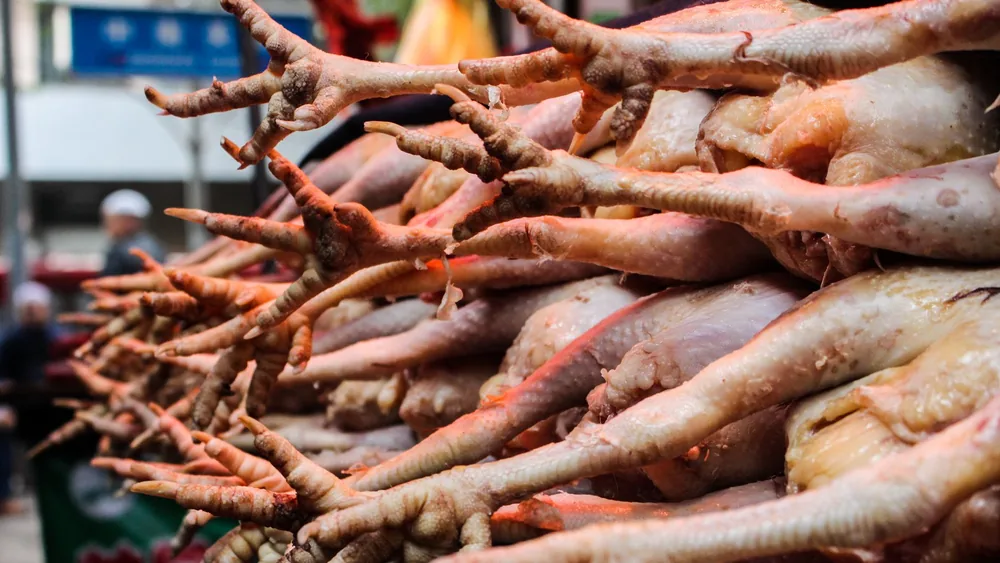
Image source: pexels.com
Chicken gizzard contains cholesterol, like all organ meats. However, modern nutrition research shows that dietary cholesterol does not affect everyone in the same way.
- Portion size matters
- Cooking method affects overall health impact
- Balanced diet is more important than single foods
For most healthy adults, eating gizzard occasionally is considered acceptable as part of a varied diet.
Food Safety and Hygiene
Chicken gizzard is safe to eat when handled properly.
- Clean thoroughly before cooking
- Cook fully until no pink remains
- Store at safe temperatures
Like other poultry, it may carry bacteria when raw, so hygiene is essential during preparation.
Cleaning Chicken Gizzard: Step-by-Step
Cleaning is one of the most important steps before cooking.
- Cut the gizzard open carefully
- Remove the yellow inner lining completely
- Rinse well under running water
- Trim any excess fat or grit
Common mistake: Leaving the yellow lining in place makes the gizzard tough and slightly bitter.
Best Cooking Methods (Food Science Based)
| Cooking Method | Why It Works |
|---|---|
| Boiling | Softens collagen slowly |
| Pressure cooking | Speeds up tenderising process |
| Slow cooking | Produces the best texture |
| Frying (after boiling) | Adds crisp texture without toughness |
Cooking time tip: Boil for 45–60 minutes or pressure cook for 20–30 minutes before using in recipes.
Common mistake: Frying raw gizzard directly makes it rubbery and hard.
Chicken Gizzard in Traditional Diets
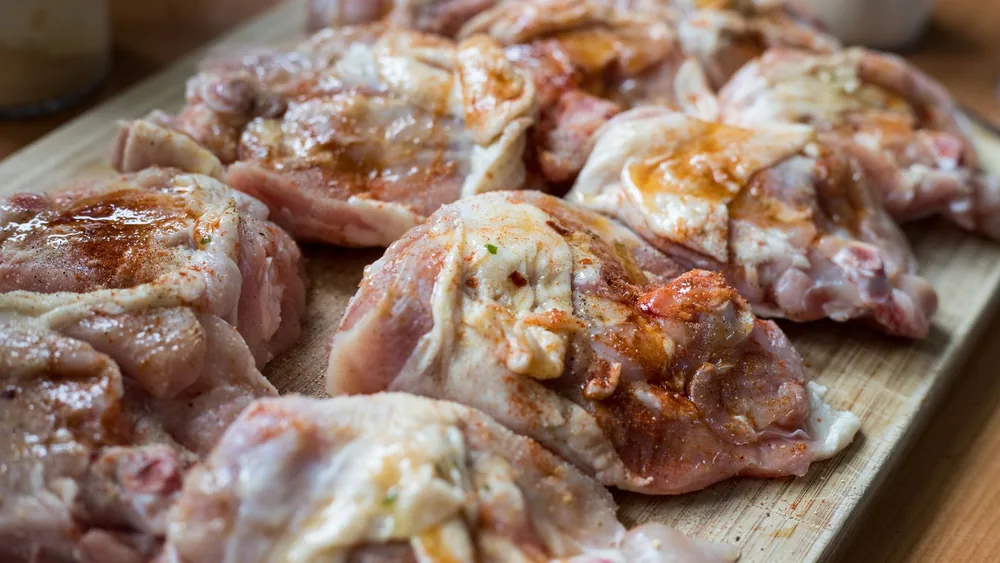
Image source: pexels.com
Chicken gizzard has been used in traditional cooking for generations. It is valued for being affordable, filling, and nutritious.
It appears in many dishes such as curries, soups, fried snacks, and slow-cooked meals. In the UK and beyond, simple comfort food menus still feature traditional meat dishes, as seen in places like The Admiral Wells menu.
Chicken Gizzard vs Other Chicken Organs
| Organ | Fat Level | Texture | Nutritional Focus |
|---|---|---|---|
| Gizzard | Low | Firm | Protein, minerals |
| Liver | Higher | Soft | Vitamin A, iron |
| Heart | Medium | Chewy | Protein, CoQ10 |
Gizzard is a good choice for those looking for lean protein with lower fat compared to other organ meats.
Who Should Be Cautious?
People with specific medical conditions or strict cholesterol limits should eat smaller portions and choose slow-cooked methods.
For most healthy individuals, moderate consumption is safe and can be part of a balanced diet.
Conclusion
Chicken gizzard is a unique and useful part of the chicken. Its firm texture comes from its natural function, not poor quality. When cleaned and cooked correctly, it becomes tender, flavourful, and easy to digest.
It remains a reliable, affordable source of high-quality protein. With the right preparation, it can be both nutritious and enjoyable in everyday meals.
Frequently Asked Questions About Chicken Gizzard
What is chicken gizzard made of?
It is a strong muscle made of connective tissue that helps grind food inside the chicken’s digestive system.
Is chicken gizzard healthy to eat?
Yes, it is high in protein and nutrients. It is best prepared using low-fat cooking methods.
Why is chicken gizzard chewy?
It is chewy because it is a working muscle. Slow cooking makes it soft.
How long should chicken gizzard be cooked?
About 45–60 minutes boiling or 20–30 minutes in a pressure cooker.
Can chicken gizzard be eaten daily?
It is better to eat it occasionally as part of a balanced diet.
Author Bio
Rajiv Gupta has more than 10 years of experience in digital media and online publishing. He runs Union Post, which covers UK business, finance and entertainment.
Disclaimer
Rajiv Gupta has more than 10 years of experience in digital media and online publishing. He runs Union Post, which covers UK business, finance and entertainment.